
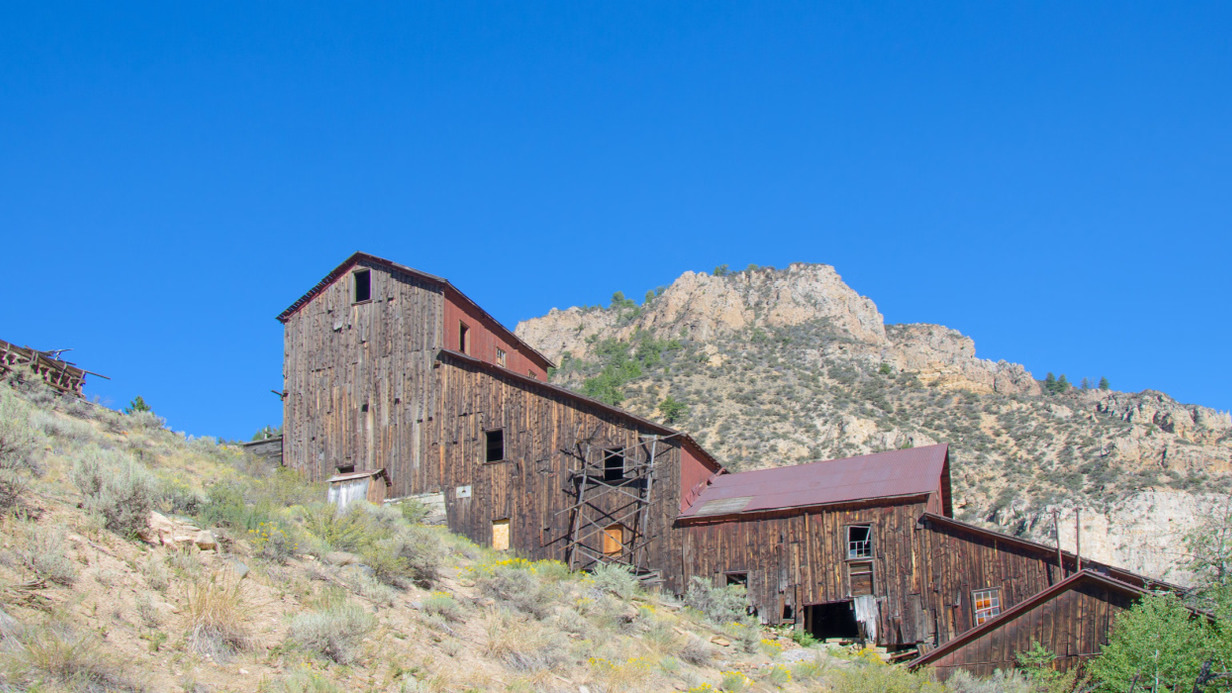
Bayhorse, Idaho, a once-thriving silver mining town perched at over 6,000 feet elevation in central Idaho’s mountains, represents one of the best-preserved ghost towns in the Pacific Northwest, offering visitors 14 historic structures from the 1880s including a multi-story stamp mill, Wells Fargo building, and charcoal kilns accessible via a nearly 1-mile interpretive loop trail within Land of the Yankee Fork State Park. The Bayhorse ghost town Idaho heritage site traces back to 1864 silver discovery by prospectors—legend suggests the town’s name originated from one prospector’s two bay horses—leading to development of the Ramshorn Mine Bayhorse and community growth peaking at 300 residents during the 1880s before devastating 1889 fire, subsequent water shortages, and ore depletion transformed it into abandoned mining town by 1915. Modern visitors can explore preserved Bayhorse historic buildings, camp at nearby Bayhorse Recreation Site or Big Bayhorse Lake Campground at 8,600 feet elevation, and access hiking trails around alpine lakes while experiencing authentic Idaho ghost town atmosphere just 25 minutes from Challis Idaho.
The Bayhorse ghost town preservation combined with surrounding recreation opportunities creates unique destination where silver mining history Idaho meets contemporary outdoor adventure through camping, fishing, hiking, and ATV trail access in remote mountain setting.
Bayhorse Mining History: From Silver Boom to Ghost Town
The Bayhorse silver mining origins date to 1864 when prospectors discovered silver deposits in the remote mountain location off Bayhorse Creek. The bay horses legend suggests that one prospector’s two bay-colored horses inspired the eventual town name as word spread about abundant mining opportunities in the area.
The 1870s Bayhorse development accelerated with establishment of the Ramshorn Mine Bayhorse and supporting infrastructure necessary for extracting and processing silver ore. The town’s location in a deep canyon along Bayhorse Creek provided water resources essential for mining operations and community sustenance.
During the 1880s Bayhorse peak, approximately 300 people lived and worked in the mining community, supporting operations through various commercial and residential functions. The town infrastructure included meat market, general store, post office, and multiple saloons—establishments characteristic of Western mining boom towns providing essential services and entertainment for miners.
The aerial tram Bayhorse transported ore from mountain extraction sites to processing facilities, while charcoal kilns Bayhorse produced fuel for the smelter that processed millions of dollars worth of silver. This integrated industrial complex represented significant technological investment enabling profitable ore extraction from remote mountain deposits.
The Bayhorse 1889 fire proved devastating, destroying substantial portions of the town and disrupting mining operations. Combined with subsequent water shortage mining problems affecting production efficiency, these challenges precipitated the town’s decline. By 1915 Bayhorse abandoned status reflected complete cessation of mining activity as ore deposits ran dry and economic viability disappeared.
This boom-to-bust cycle typical of Western mining towns creates the ghost town landscapes modern visitors explore, where preserved structures and industrial remnants document brief but intense periods of economic activity followed by rapid abandonment.
Exploring Bayhorse Ghost Town: Historic Structures
The Bayhorse loop trail spans nearly 1 mile, providing access to 14 decaying buildings Bayhorse that remain standing over a century after abandonment. This interpretive trail enables self-guided exploration with informational signage explaining structures’ original functions and historical context.
The 1882 stamp mill Bayhorse represents the site’s most visually striking structure—a multi-story building whose form mimics the mountain backdrop. Stamp mills crushed ore using heavy stamps, separating valuable minerals from waste rock through mechanical processing. The surviving structure demonstrates the substantial infrastructure required for profitable mining operations.
The Wells Fargo building Bayhorse features stone construction distinguishing it from many wooden structures common in mining camps. Wells Fargo’s presence reflects the town’s economic significance, as the company established offices in profitable mining districts to facilitate banking services and precious metal transport.
The charcoal kilns Bayhorse stand as ruined circular stone structures that produced charcoal fuel for smelting operations. These kilns converted wood into charcoal through controlled burning in oxygen-limited environments, creating more efficient fuel than raw wood for achieving the high temperatures necessary for ore processing.
Additional structures include residential buildings, commercial establishments, and industrial facilities in various preservation states ranging from relatively intact to partial ruins. Photography enthusiasts appreciate the photogenic ghost town structures against mountain backdrops, particularly during golden hour lighting conditions.
Visitors should exercise caution exploring historic structures, as aged buildings may contain unstable elements. Staying on designated trails and respecting preservation barriers protects both visitor safety and historic integrity.
Camping Near Bayhorse: Mountain Recreation Sites
The Bayhorse Recreation Site on the Salmon River at 5,400 feet elevation provides camping with fishing access and river recreation opportunities. This campground suits visitors prioritizing water-based activities and lower-elevation camping with milder nighttime temperatures than high-mountain alternatives.
The Big Bayhorse Lake Campground positioned at approximately 8,600 feet elevation offers high mountain camping Idaho experiences with sweeping lake views from hillside locations. The substantial elevation creates alpine environments with cooler temperatures, potential snow into early summer, and dramatic mountain vistas.
The Little Bayhorse Lake Campground provides similar alpine camping experiences with access to the same trail system but potentially different site characteristics and availability. Both campgrounds connect to the Little and Big Bayhorse Lakes Trail—a relatively short 2.6-mile route with approximately 350 feet elevation gain meandering around serene alpine lakes.
These campgrounds accommodate trailers and RVs, though the steep, difficult access roads Idaho require capable vehicles and confident drivers. The challenging road conditions deter some visitors, contributing to less crowded camping experiences for those willing to navigate rough mountain roads.
Fishing opportunities near Bayhorse include both the Salmon River at lower elevations and alpine lakes at higher elevations, with different fish species adapted to each environment. Proper Idaho fishing licenses and knowledge of seasonal regulations are required.
Seasonal Access and Visitor Information
The Bayhorse seasonal hours typically run 9 a.m. to 5 p.m. during operating season, with winter closure due to heavy snow accumulation at high elevations making road access dangerous or impossible. The Bayhorse winter closed status necessitates advance planning for visitors hoping to explore the site.
Before visiting, contacting Land of Yankee Fork State Park directly confirms current access conditions, as spring openings and fall closures vary by snowpack and weather conditions. The interpretive center outside Challis Idaho provides information, displays artifacts from the site, and offers context enhancing on-site visits.
The 25 minutes from Challis Idaho positioning makes Bayhorse accessible as day trip from this small town serving as gateway to the Salmon River region. Challis offers services including fuel, food, and accommodations supporting multi-day explorations of surrounding ghost towns and recreation areas.
Land of Yankee Fork State Park: Additional Ghost Towns
The Land of Yankee Fork State Park ghost towns Idaho include multiple abandoned mining communities beyond Bayhorse. Custer ghost town Idaho, just over an hour from Bayhorse, offers additional wild west charm and preserved structures documenting the region’s mining heritage.
Bonanza and its associated sites provide further exploration opportunities for ghost town enthusiasts seeking to understand the broader mining boom that transformed central Idaho during the late 1800s. Each site presents unique preservation states and historical narratives contributing to comprehensive understanding of regional development.
The rough unpaved roads Idaho throughout this region require 4WD vehicles for safe navigation, particularly when accessing remote sites or traveling during marginal weather conditions. High-clearance vehicles prevent undercarriage damage from rocks and ruts common on unmaintained mountain roads.
Planning Your Bayhorse Visit
Optimal visiting times typically span late spring through early fall when snow has cleared from access roads and temperatures support comfortable camping and hiking. Summer months provide most reliable access and pleasant weather, though afternoon thunderstorms are common in mountain regions requiring weather monitoring.
Essential preparation includes checking current road conditions, confirming campground availability, bringing appropriate clothing for variable mountain weather, and carrying backup supplies as services are limited in remote areas. Cell phone coverage is unreliable, making offline maps and emergency preparedness critical.
Photography enthusiasts should time visits for optimal lighting conditions, with early morning and late afternoon providing dramatic shadows and warm tones enhancing aged structure aesthetics. Sunrise and sunset at high-elevation campgrounds offer spectacular mountain views worth planning around.
Historians and ghost town enthusiasts will appreciate researching Bayhorse’s history before visiting, as understanding the community’s development, peak years, and decline enriches on-site exploration. The interpretive center provides this context, making pre-visit stops worthwhile for maximizing educational value.
Outdoor Recreation Beyond Ghost Town Exploration
The hiking trails Bayhorse Idaho area extend beyond the ghost town loop to include longer backcountry routes, alpine lake circuits, and mountain summit approaches for more ambitious adventurers. Trail difficulty ranges from family-friendly to challenging mountain ascents requiring fitness and navigation skills.
ATV trails near Bayhorse provide motorized recreation opportunities through the surrounding mountains, with designated routes preventing environmental damage while enabling access to remote areas. Proper permits and adherence to designated trail systems protect fragile alpine environments.
The fishing Salmon River Idaho opportunities near the Bayhorse Recreation Site attract anglers seeking trout and other coldwater species in pristine mountain streams. Understanding seasonal patterns, preferred techniques, and local regulations maximizes fishing success while supporting conservation.
Wildlife viewing in the region includes opportunities to observe deer, elk, mountain goats, various bird species, and potentially bears—requiring proper food storage and awareness of safety protocols in bear country.
For travelers seeking authentic Western ghost town experiences combined with exceptional mountain recreation opportunities in remote Idaho wilderness, Bayhorse delivers unique combination of preserved mining heritage, challenging outdoor adventures, and stunning natural beauty. The site’s relative isolation compared to more heavily visited ghost towns creates intimate exploration experiences where connection with history feels personal and undiluted by commercialization.
For comprehensive coverage of ghost town exploration, Western mining history, Idaho outdoor recreation, and remote destination travel guides, The Inspiring Insight provides expert perspectives and practical information. Explore our adventure travel and historical sites sections for ongoing insights on authentic experiences connecting with America’s frontier heritage.