
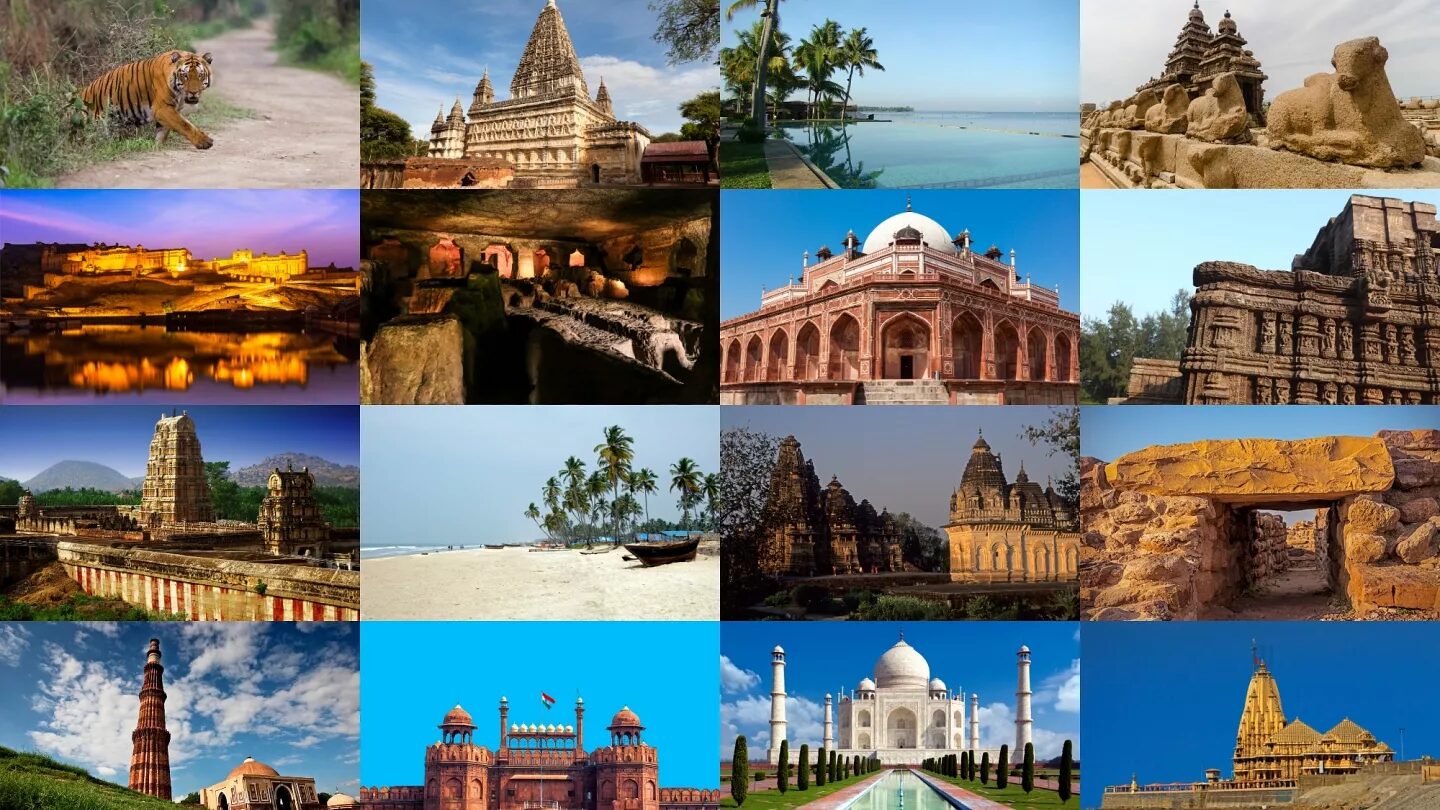
The Ministry of Tourism has approved fifty-three transformative projects worth ₹2,208 crore under Swadesh Darshan 2.0, marking a significant investment in India’s tourism infrastructure across spiritual, eco-tourism, rural, and heritage circuits. This strategic allocation targets destination-centric development in states from Bihar to Sikkim, with major focus on Bodh Gaya tourism development, Sikkim eco-wellness experiences, Rajasthan heritage corridors, and rural tourism Bihar initiatives. The comprehensive Ministry of Tourism projects 2026 aims to enhance infrastructure for pilgrims, adventure travelers, and cultural explorers while generating employment and positioning India competitively in global tourism markets through sustainable, technology-enabled destination clusters.
The Swadesh Darshan 2.0 investment represents India’s largest coordinated effort to develop thematic tourism circuits that balance economic growth with environmental sustainability and cultural preservation.
Bodh Gaya and Spiritual Tourism Enhancement
The spiritual tourism India component receives substantial funding, with Bodh Gaya meditation centers and convention facilities positioned as the global hub for Buddhist retreats. The allocation for Buddhist circuit development includes modern amenities for international pilgrims while preserving the site’s spiritual sanctity.
Kanwaria pilgrimage routes from Sultanganj to Deoghar across Bihar and Jharkhand receive infrastructure upgrades streamlining pilgrim pathways with improved connectivity. These enhancements revolutionize pilgrimage tourism infrastructure through digital booking systems, accessible pathways, and waste management facilities that accommodate rising visitor numbers without compromising sacred site integrity.
Government portals report that completed phases already boosted Bihar tourism by 25%, establishing benchmarks for replication across other spiritual circuits. The sustainable pilgrimage tourism approach integrates green amenities ensuring environmental preservation amid increased footfalls.
Sikkim Eco-Wellness and Hill Tourism
The Sikkim Yuksom eco-wellness cluster represents the eco-tourism projects Swadesh Darshan 2.0 emphasis on blending adventure with wellness. Trekking trails integration with Ayurvedic centers targets the growing wellness tourism market in the Eastern Himalayas.
Chhattisgarh Bhoramdeo Corridor in Kawardha District develops temple trails and nature camps, merging heritage exploration with biodiversity conservation. These hill station tourism India initiatives attract international trekkers who extend visits to nearby national parks, generating longer stays and higher per-visitor spending.
Renewable energy installations and zero-waste models position these destinations as sustainable tourism exemplars. Data from similar initiatives show doubled occupancy in remote areas, with adventure operators anticipating 40% booking increases fueling rural economies through homestays and guided experiences.
Heritage Circuit Rajasthan and Cultural Preservation
The heritage tourism development focuses on Rajasthan Malaseri-Dungri in Bhilwara District, transforming tribal heritage zones with museum complexes and artisan villages preserving Rajasthani folk traditions. This approach diversifies Rajasthan tourism beyond traditional fort circuits.
Northeast India Surma Cherra-Unakoti circuit connects Tripura rock carvings with Agartala palaces, creating immersive cultural trails. These heritage corridors employ archaeological upgrades and VR interpretation centers enhancing accessibility for international audiences.
Government monitoring shows 80% completion rates in pilot corridors, validating scalability for nationwide expansion. Local cooperatives benefit from mandatory 30% community procurement ensuring equitable tourism wealth distribution.
Rural Tourism and Village Immersion Programs
The rural tourism circuits Bihar initiative develops the Bhitiharwa-Chandrahia-Turkaulia circuit with homestay networks and farm experiences showcasing Champaran satyagraha heritage alongside organic agriculture. This village tourism India approach channels urban visitors to authentic experiences sustaining over 500 villages economically.
Uttar Pradesh Buddhist sites integration at Srawasti, Kushinagar, and Kapilwastu combines spiritual tourism with village immersion programs. Skill development centers train locals in hospitality, generating 10,000 direct jobs per circuit while preserving indigenous crafts.
State tourism sites report 35% revenue growth in operational clusters, with sustainable tourism mandates capping visitor numbers to prevent over-tourism while maximizing per-guest spending through experiential packages.
Infrastructure Development and Connectivity
The comprehensive tourism infrastructure investment covers convention centers in Daman, wellness hubs in Dadra Nagar Haveli, and signage across 32 states and union territories. Multi-modal connectivity links airports, highways, and last-mile electric shuttles reducing travel barriers for domestic and international tourists.
Digital Swadesh Darshan portal enables real-time bookings and VR destination previews, positioning India as a tech-forward tourism destination. Border area projects in Arunachal Pradesh and Ladakh incorporate homestays and adventure infrastructure fulfilling Vibrant Villages objectives.
Ministry data reveals ₹793 crore already disbursed for 34 priority destinations, with phased releases tied to completion milestones ensuring timely execution and accountability.
Economic Impact and Employment Generation
Each ₹1 crore Swadesh Darshan investment generates ₹3.50 in tourism revenue through backward linkages in handicrafts, cuisine, and transport sectors. Women-led cooperatives manage 40% of facilities, creating gender-inclusive employment models.
Official releases document 2.5 lakh jobs created under predecessor schemes, with Swadesh Darshan 2.0 tourism jobs targeting tripled impact through integrated destination clusters. FPO integrations ensure 100% local sourcing for restaurants and souvenir shops, retaining 85% economic value within communities.
Sustainable tourism certification tracks carbon footprints, attracting ESG investors for Phase II expansions. Rural banking partnerships facilitate micro-loans for homestay upgrades, democratizing tourism entrepreneurship.
Digital Tourism Innovation
The Swadesh Darshan portal digital features include AI-driven itinerary recommendations personalizing experiences across circuits, boosting cross-selling by 60%. AR apps overlay historical narratives at heritage sites, while live webcams display real-time crowd levels assisting visitor planning.
Multi-lingual content in 22 scheduled languages breaks language barriers for domestic travelers, while English and Japanese interfaces target inbound markets. Government e-visa portal integration with Swadesh bookings streamlines 72-hour approvals.
Analytics show 300% search spikes for developed destinations, demonstrating the digital tourism India strategy’s effectiveness in converting online interest into actual visits.
Global Competitiveness and Marketing
The thematic tourism circuits India approach creates specialized experiences rivaling Europe’s wine trails and Japan’s onsen routes. Benchmarking against UNWTO standards ensures international accreditations qualifying destinations for global awards.
Destination marketing targets diaspora through 500+ global roadshows, while influencer partnerships generate one billion social media impressions. Trade partnerships with 50 countries embed Swadesh circuits in foreign independent traveler packages, ensuring 30% inbound growth.
Tourism satisfaction rates of 95% in pilot projects validate the model’s scalability and appeal to international standards-conscious travelers.
Long-Term Sustainability and Monitoring
Swadesh Darshan 2.0 mandates 50-year asset maintenance funds ensuring self-sustaining destinations beyond scheme duration. Youth hospitality academies train 50,000 professionals annually, creating India’s tourism talent pipeline.
Climate-resilient designs withstand extreme weather, safeguarding the ₹2,208 crore investment. Monitoring frameworks employ satellite imagery and blockchain procurement ensuring transparency and zero corruption.
Phase completion triggers subsequent funding, maintaining momentum across 55 identified destinations. This systematic evolution positions India tourism growth targeting 20 million inbound arrivals by 2030.
The comprehensive Swadesh Darshan 2.0 investment represents transformative commitment to positioning India as a premier global tourism destination through sustainable, inclusive, and technology-enabled development that balances economic growth with cultural preservation and environmental stewardship.
For comprehensive coverage of India’s tourism development initiatives, infrastructure projects, and economic policy impacts, The Inspiring Insight delivers expert analysis and updates on programs shaping the nation’s growth trajectory. Explore our policy and development sections for insights on government initiatives transforming India’s economic landscape.