
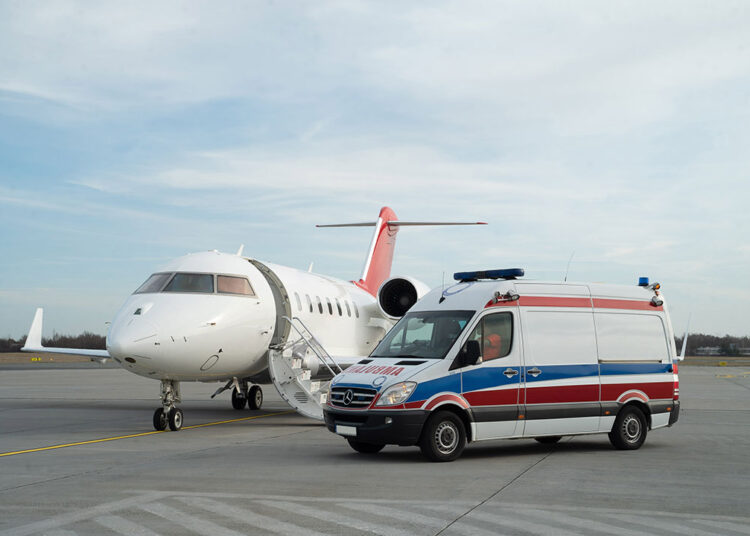
For travelers, few situations are as frightening as a sudden illness or injury far from home. In those moments, the arrival of an ambulance or emergency vehicle can feel like a lifeline. What many travelers do not realize until long after the sirens fade is that emergency ambulance services can also deliver a financial shock that rivals the cost of the trip itself. The price of an ambulance, whether a ground ambulance or an air ambulance, varies dramatically around the world and is influenced by healthcare systems, local regulations, and whether a traveler is considered a resident or a tourist.
Emergency medical service systems differ widely by country. Some nations treat emergency ambulance transport as a public good, funded through taxes and available to everyone regardless of citizenship. Others operate hybrid systems where emergency response is public but transportation and treatment are billed. In many destinations popular with international travelers, ambulance services are fully privatized, meaning tourists are often responsible for the entire cost out of pocket.
Understanding how these systems work and what travelers may be charged is essential for anyone crossing borders, particularly those engaging in adventure travel, long-term travel, or travel to remote regions.
Why Ambulance Costs Vary So Widely
The cost of an ambulance service is shaped by several critical factors. These include whether the service is public or private, the distance traveled, the level of care provided en route, and whether advanced life support is required. In some countries, the emergency vehicle itself is funded by the government, while in others the ambulance operates much like a private contractor billing per kilometer, per treatment, or per call-out.
Ground ambulance services are typically less expensive than air ambulance services, but even ground transport can carry substantial fees ranging from hundreds to thousands of dollars. Air ambulances, which include helicopter and fixed-wing aircraft, involve specialized medical crews, aviation fuel, landing fees, and international clearances, making them extraordinarily costly.
Another critical factor is residency status. Tourists are frequently excluded from national healthcare subsidies, even in countries with universal healthcare systems. As a result, travelers may face charges that residents never see—sometimes ten times higher than what locals pay.
Countries With Free or Low-Cost Emergency Ambulance Services
In a limited number of countries, emergency ambulance transport is free or very low cost, even for tourists, though there are often important caveats that travelers should understand.
The United Kingdom provides free emergency treatment through the National Health Service (NHS), including ambulance transport, regardless of nationality. This means international visitors experiencing a medical emergency receive the same level of care as UK residents without upfront payment.
France operates the SAMU emergency medical service, which is largely free, though some co-pays may apply and are often reimbursable through insurance. The French system is known for its efficiency and comprehensive coverage.
Spain offers free emergency ambulance services through its public healthcare system, while private or non-emergency transport typically ranges from €20 to €120. Emergency calls to 112 trigger free public ambulance dispatch.
Italy provides free emergency ambulance services for travelers holding an EHIC (European Health Insurance Card) or GHIC (Global Health Insurance Card), while non-emergency transport may cost €25 to €50. Tourists without these cards may face higher charges.
Japan generally offers free ambulance transport, though fees may apply if a patient is discharged the same day without hospital admission. The Japanese system prioritizes emergency care accessibility.
New Zealand’s system provides free emergency transport for members of St John Ambulance, while non-members may pay around NZD 90 for emergency services—still considerably less than many other developed nations.
While these countries offer significant protections, travelers should not assume all costs are covered. Hospital treatment, follow-up care, and non-emergency transport can still result in substantial bills that require insurance coverage.
Countries Where Tourists Often Pay High Ambulance Costs
In many other destinations, ambulance services can be extremely expensive for travelers, creating unexpected financial burdens during already stressful situations.
The United States is the most frequently cited example, with ground ambulance costs typically ranging from $950 to $1,300 and air ambulance services often exceeding $10,000. These charges are common even for short transports and are frequently not fully covered by standard travel insurance. Some air medical transport bills have reached $50,000 or more for cross-country evacuations.
Canada also charges tourists for ambulance services, with costs ranging from CAD 321 to CAD 650 or more depending on the province. Ontario and British Columbia have particularly high fees for non-residents. Even short emergency transport within a city can cost several hundred dollars.
Australia’s system varies by state, with ambulance fees ranging from AUD 650 to over AUD 2,000 unless travelers are covered by reciprocal healthcare agreements or local ambulance subscriptions. Queensland and Tasmania are the only states offering free emergency ambulance services to all residents.
South Africa’s public ambulance services may cost between R450 and R4,000, while private ambulance services can be significantly more expensive, especially in tourist areas like Cape Town and Johannesburg.
Mexico presents a mixed system where public ambulances may be free or inexpensive, but private ambulance services commonly charge £50 to £300 or more. In tourist destinations like Cancún and Los Cabos, private services dominate and charge premium rates.
Thailand’s public ambulance services average around 2,500 baht (approximately $75), while private services cost considerably more. Tourist-heavy areas often have only private options available, leading to higher out-of-pocket costs.
Even in countries with advanced healthcare infrastructure, tourists are often treated as private patients, responsible for the full cost of emergency medical service transport.
Air Ambulance Services and Medical Evacuation
Air ambulance services represent the highest financial risk for travelers. These services are typically required when patients need rapid transport over long distances, from remote locations, or across international borders. A single air ambulance flight can cost tens of thousands of dollars, depending on distance, aircraft type, and medical complexity.
Travelers injured while hiking, diving, skiing, or traveling in remote regions are particularly vulnerable to air evacuation costs. In many cases, standard travel insurance policies place strict limits on air ambulance coverage or require pre-authorization that may be difficult to obtain in an emergency.
Medical evacuation, which may involve transferring a patient to another country or back home for treatment, compounds these costs further. Without dedicated evacuation protection, travelers can face bills that exceed six figures. Some international medical repatriation cases have resulted in bills exceeding $100,000.
Common Air Ambulance Scenarios
Mountain rescue operations requiring helicopter evacuation frequently cost $15,000 to $30,000 per incident. Diving accidents requiring hyperbaric chamber treatment and transport can exceed $40,000. International medical repatriation from Asia to North America or Europe routinely costs $80,000 to $150,000 depending on patient condition and required medical support.
Key Considerations for Travelers
One of the most important steps travelers can take is securing comprehensive travel medical insurance that explicitly covers emergency medical service transport, including ground ambulance and air ambulance services. Even then, travelers should carefully review policy limits, exclusions, and reimbursement processes.
What to Look for in Travel Medical Insurance
Coverage limits for emergency transport should be at least $50,000, though $100,000 or more is recommended for adventure activities or travel to remote areas. Policies should cover both ground and air transport without requiring pre-authorization for true emergencies.
Medical evacuation coverage should be separate from standard medical treatment limits and should include repatriation to your home country if necessary. Many policies cap air ambulance coverage at inadequate levels like $10,000, which may not cover actual costs.
Practical Tips for Emergencies Abroad
Whenever possible, travelers should request public ambulance services rather than private providers, as public systems are usually cheaper or free for emergencies. However, in some countries, private ambulance services dominate and travelers may have limited choice in high-stress situations.
Travelers should also recognize that ambulance transport is only one part of the medical cost equation. Hospital admission, diagnostics, surgery, and ongoing care can quickly multiply the financial impact of an emergency. A single night in an intensive care unit abroad can cost $5,000 to $15,000 or more.
Emergency Contact Information
Before traveling, save emergency numbers for your destination: 112 works throughout Europe, while 911 is standard in North America. Many countries have dedicated tourist assistance lines that can help navigate emergency medical services and insurance claims.
Keep digital and physical copies of your insurance policy, including policy number, emergency contact numbers, and coverage details. In an emergency, this information can expedite treatment approval and reduce out-of-pocket expenses.
Regional Differences in Emergency Medical Costs
European countries generally offer the most affordable emergency ambulance services for travelers, particularly those with EHIC or GHIC cards. Asia-Pacific regions show significant variation, with Japan and New Zealand offering reasonable rates while private services in tourist areas charge premium fees.
North America consistently ranks as the most expensive region for emergency medical transport, with both the United States and Canada charging substantial fees to non-residents. Latin American countries vary widely, with public services often affordable but private providers charging rates comparable to developed nations.
Africa and the Middle East present the most unpredictable costs, with private ambulance services in tourist areas charging whatever the market will bear. Travelers to these regions should prioritize comprehensive insurance coverage including medical evacuation.
Final Thoughts on Managing Emergency Medical Transport Costs
The cost of emergency ambulance services abroad represents one of the most significant and least understood financial risks for international travelers. While some countries provide free or low-cost emergency transport, many popular destinations charge fees that can devastate travel budgets and create serious financial hardship.
The single most effective protection is comprehensive travel medical insurance with adequate emergency transport coverage, including air ambulance and medical evacuation provisions. Travelers should never assume their domestic health insurance or basic travel insurance covers these costs—verification before departure is essential.
Understanding which countries offer free emergency services and which impose substantial charges allows travelers to make informed decisions about insurance coverage and financial preparedness. In an emergency, knowing your rights and coverage can reduce stress and ensure you receive appropriate care without catastrophic financial consequences.
For more essential travel safety information, insurance guidance, and international healthcare insights, visit The Inspiring Insight where we provide comprehensive resources for travelers worldwide. Stay informed with our expert analysis on emergency medical services, travel insurance comparisons, and destination-specific healthcare tips that help you travel confidently and safely wherever your adventures take you.