
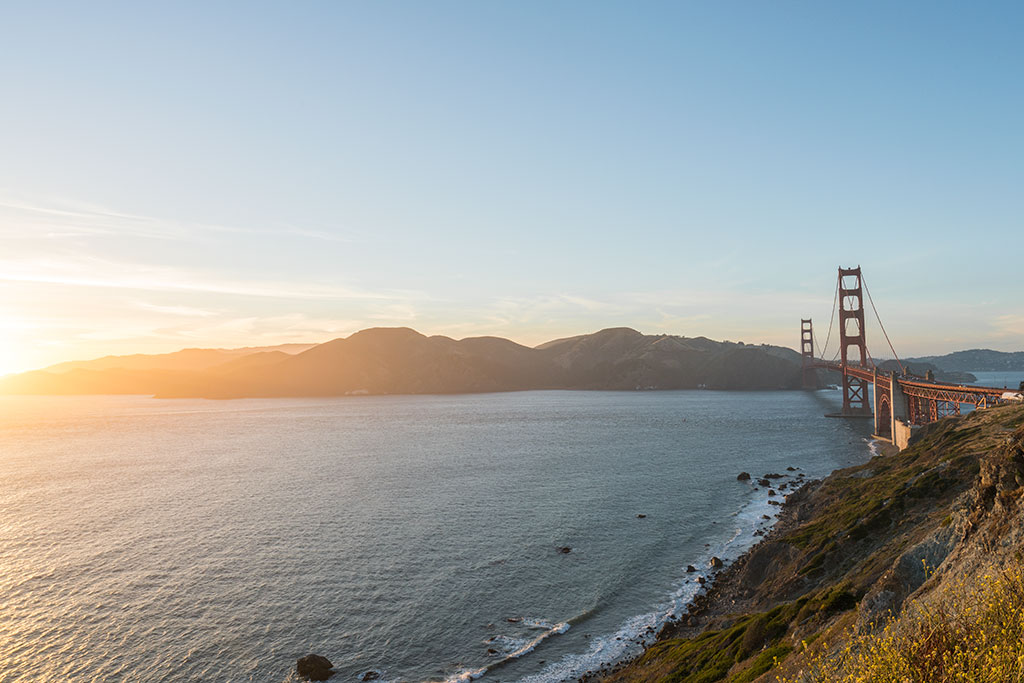
San Francisco, officially named America’s most walkable large city by Walk Score, offers exceptional pedestrian exploration opportunities across diverse neighborhoods from the iconic 1.7-mile Golden Gate Bridge spanning the Golden Gate Strait to the colorful Mission District murals, historic Chinatown streets, waterfront Embarcadero promenade, and dramatic Lands End coastal trails—all accessible via the comprehensive San Francisco public transit system including BART trains, MUNI streetcars, cable cars, and buses enabling efficient travel between walk starting points. These five San Francisco walking itineraries showcase must-see attractions San Francisco including the Golden Gate Bridge Welcome Center, Mission Dolores Park street art, Ferry Building marketplace, Dragon Gate Chinatown entrance, and Lands End Visitor Information Center, with routes ranging from less than one mile to nearly three miles accommodating various fitness levels while highlighting natural landscapes and cultural landmarks that define this hilly San Francisco city perched on the Pacific Coast.
The San Francisco walking tours approach enables intimate neighborhood exploration impossible from vehicles, with pedestrian perspectives revealing architectural details, street life, and hidden gems that characterize each distinct district comprising the city’s diverse urban fabric.
Golden Gate Bridge Walk: Iconic 1.7-Mile Crossing
The Golden Gate Bridge opened in 1937 as landmark suspension bridge connecting San Francisco to Marin County across the Golden Gate Strait linking San Francisco Bay to the Pacific Ocean. This walking Golden Gate Bridge experience ranks among the world’s most recognizable urban hikes, drawing millions annually to traverse the 1.7-mile span suspended high above water.
Begin at the Golden Gate Bridge Welcome Center open daily 9 a.m. to 6 p.m., where exhibits detail the bridge’s engineering history, construction challenges overcome during Depression-era building, and ongoing maintenance preserving the structure. The center’s knowledgeable staff provide current weather conditions, photography tips, and route advice while the gift shop offers commemorative postcards and souvenirs.
The Golden Gate Bridge eastern sidewalk accommodates pedestrians and cyclists in shared space protected from vehicular traffic by barriers. The walk duration spans approximately 45 minutes to one hour depending on photography stops frequency, with countless photo opportunities capturing the International Orange towers against blue skies, San Francisco Bay vistas, Alcatraz Island views, passing sailboats and shipping barges below, and occasional humpback whale sightings during migration seasons.
The San Francisco City Guides free walking tours provide expert-led bridge exploration departing 11 a.m. Wednesdays and Saturdays from the visitors’ plaza. These 1.5 to 2-hour guided bridge tours cover engineering innovations, construction history, and fascinating anecdotes about the structure’s cultural significance. Registration through the organization confirms tour availability and any schedule changes.
Weather considerations prove crucial for bridge walking—even summer conditions can be windy and chilly Golden Gate Bridge due to maritime influence and elevation exposure. Layered clothing, wind-resistant jackets, and secure hats protect against conditions that surprise unprepared visitors wearing shorts and t-shirts inappropriate for the microclimate.
Upon reaching the Marin County side, options include returning via the same route or continuing to Sausalito houseboat community, the quirky bohemian waterfront settlement nicknamed “Venice of the West” featuring floating homes, waterfront restaurants, and ferry service back to San Francisco.
Mission District Murals: 2.5-Mile Street Art Journey
The Mission District San Francisco showcases the city’s most concentrated outdoor art gallery through hundreds of murals transforming building facades into vibrant canvases. This Mission murals walking tour spans approximately 2.5 miles and several hours when including art appreciation stops.
Start at Mission Dolores, the 18th-century adobe structure considered San Francisco’s oldest building, representing Spanish colonial architecture and mission system history. The Mission Dolores Park adjacent provides uphill paths leading to panoramic city views from elevated vantage points popular with locals for picnicking and people-watching.
The 2009 mural “A Sunday Afternoon at Dolores Park” by artist Daniel Doherty captures the neighborhood’s contemporary character through colorful depictions of park life. This artwork exemplifies how Mission District street art documents community culture, political movements, and social justice themes through large-scale public works.
Clarion Alley murals represent the neighborhood’s artistic heart with over 900 works by predominantly Bay Area artists. This public art space functions as rotating gallery where new murals periodically replace older works, ensuring the alley remains dynamic creative hub reflecting current artistic trends and community concerns. Photography enthusiasts should allocate substantial time for capturing the dense mural concentration.
The Mission Cultural Center for Latino Arts established by community activists in 1977 continues serving as cultural anchor through rotating exhibitions, art classes, workshops, and community programs. The center welcomes public visitors interested in Latino arts and Mission District cultural history.
Conclude at 24th and York Mini Park where a 1972 mosaic mural depicts Quetzalcoatl, the Aztec feathered serpent deity. This historic mural represents early Chicano art movement expressions that transformed the Mission into recognized center for Latino cultural identity and artistic activism.
Embarcadero Waterfront: 2-Mile Bay Promenade
The Embarcadero San Francisco waterfront stretches nearly 2 miles along San Francisco Bay from the Ferry Building to Fisherman’s Wharf, offering level walking with consistent bay views. The Embarcadero walk duration exceeds one hour with minimal stops, extending significantly when incorporating shopping, dining, and attraction visits along the route.
Begin at the Ferry Building marketplace, the iconic 1898 structure housing artisanal food shops, local vendors, and acclaimed restaurants. The building functions as foodie destination where visitors sample regional specialties, purchase gourmet products, and enjoy bay views from outdoor seating areas. Morning visits coincide with the Ferry Plaza Farmers Market (Tuesdays, Thursdays, Saturdays) featuring local produce and prepared foods.
The Embarcadero promenade provides dedicated pedestrian and cyclist paths separated from vehicular traffic, with benches, palm trees, and public art installations creating pleasant walking environments. Views span the bay to Oakland and the East Bay hills, with Alcatraz Island ferry boats departing from Pier 33 visible in the distance.
Pier 39 San Francisco represents the waterfront’s most tourist-concentrated zone with shops, restaurants, street performers, and the famous sea lion colony that established itself on the floating docks following the 1989 earthquake. While commercially oriented, the pier offers guaranteed wildlife viewing as dozens of California sea lions lounge and bark on the platforms.
Fisherman’s Wharf completes the waterfront walk as San Francisco’s historic fishing industry center. Though heavily commercialized as tourist destination, the wharf maintains working fish markets displaying fresh catches including Dungeness crab, a local culinary specialty. The nearby San Francisco Maritime National Historical Park preserves historic vessels including the 1886 square-rigged Balclutha and provides Golden Gate Bridge views from the waterfront.
Chinatown Walking Tour: Less Than One Mile Cultural Immersion
San Francisco Chinatown, established mid-19th century during the California Gold Rush by Chinese immigrants, ranks as America’s oldest Chinatown and one of the world’s most significant Chinese communities outside Asia. The compact neighborhood enables comprehensive exploration via less than one mile walking Chinatown San Francisco.
Enter through the Dragon Gate Chinatown, the ornate ceremonial entrance at Grant Avenue and Bush Street gifted by Taiwan in 1970. The decorative archway with guardian lions marks the transition into the neighborhood’s distinct cultural atmosphere where Chinese language signage, traditional architecture, and cultural institutions predominate.
Walk two blocks to the Sing Chong Building, one of the first Chinese-style structures erected following the devastating 1906 San Francisco earthquake that destroyed most of Chinatown. The building’s ornate exterior represents the community’s determination to rebuild with distinctly Chinese architectural identity rather than conforming to Western building styles.
Red Blossom Tea Company represents family-run traditional businesses sustaining Chinatown’s authentic character. The shop offers over 100 single-origin teas, supplies Michelin-starred restaurants, and welcomes visitors to sample teas representing China’s diverse tea-growing regions and processing traditions. Single-serving purchases enable at-home exploration of premium tea varieties.
Portsmouth Square Park functions as Chinatown’s social hub where residents gather for tai chi, card games, and conversation. This historic plaza served as San Francisco’s original town square during the Mexican and early American periods before the neighborhood’s transformation into Chinese enclave. The park provides authentic glimpses into daily community life beyond commercial tourist interactions.
The Chinese Historical Society of America museum ($12 adults, $5 children) documents Chinese American experiences through exhibits covering immigration history, discrimination periods including Chinese Exclusion Act, community resilience, and contemporary Chinese American contributions. The museum provides essential historical context for understanding Chinatown’s significance beyond restaurants and souvenir shops.
Conclude at the Golden Gate Fortune Cookie Factory where 10,000 fortune cookies are hand-produced daily using traditional methods predating modern mechanized production. Visitors observe the manufacturing process and purchase fresh cookies including customizable fortunes for special occasions.
Lands End Trails: Coastal Cliffs Less Than One Mile
Lands End San Francisco within Golden Gate National Recreation Area—America’s most visited National Park Service site—offers dramatic coastal scenery from trails tracing cliffs high above the Pacific Ocean in northwest San Francisco. This Lands End hiking experience provides nature immersion within urban boundaries.
Begin at the Lands End Visitor Information Center adjacent to Point Lobos Overlook, open daily 9 a.m. to 5 p.m. (closing times vary seasonally before sunset). The center provides trail maps, natural history information, and current conditions updates essential for safe coastal hiking.
The Lands End Trail via Sutro Baths follows an easy out-and-back route less than one mile around Point Lobos through cypress and eucalyptus groves. The trail emerges onto exposed coastal cliffs with sweeping Golden Gate Bridge views, San Francisco Bay vistas, and Pacific Ocean panoramas. The shipwreck remnants and Sutro Baths ruins add historical interest to the natural scenery.
The Sutro Baths ruins represent remains of elaborate late-19th-century public bathhouse complex that once housed multiple pools accommodating thousands of swimmers. The structure burned in 1966, leaving concrete foundations, tunnels, and pools that contemporary visitors explore while imagining the facility’s former grandeur.
Multiple Lands End trails beyond the main route enable extended hiking for those seeking longer coastal experiences. Trail maps available at the visitor center detail options ranging from easy walks to more challenging routes requiring fitness and appropriate footwear for uneven terrain.
No entrance fee applies for Lands End access, though parking may be limited during peak visitation periods. Early morning or weekday visits often provide better parking availability and more solitary trail experiences than crowded weekend afternoons.
Navigating San Francisco: Public Transit Integration
The San Francisco Municipal Transportation Agency (MUNI) operates the comprehensive public transit network enabling efficient travel between walk starting points. The BART trains, MUNI streetcars, historic cable cars, and bus routes criss-cross the city, with single-ride tickets, day passes, and Clipper Cards facilitating multi-modal travel.
Planning walking tours San Francisco around transit access maximizes exploration time while minimizing fatigue from walking between distant neighborhoods. The SFMTA website provides route planning tools, real-time arrival information, and fare details essential for visitors unfamiliar with the system.
The iconic San Francisco cable cars, while slower and more expensive than other transit options, provide quintessential San Francisco experiences while transporting visitors up and down the city’s steepest hills. The Powell-Hyde and Powell-Mason lines connect major tourist districts including Fisherman’s Wharf, Union Square, and Nob Hill.
For visitors combining walking tours with San Francisco’s renowned dining, shopping, and cultural institutions, strategic planning around meals, museum visits, and shopping enables comfortable pacing that prevents exhaustion while maximizing experiences. The city’s compact size and excellent transit make ambitious itineraries achievable when thoughtfully structured.
For travelers seeking authentic urban exploration through pedestrian-friendly neighborhoods, San Francisco delivers exceptional walking experiences connecting natural beauty with cultural diversity across five distinct routes showcasing why this hilly bayside city ranks among America’s most walkable and beloved destinations.
For comprehensive travel guides, urban walking tours, and destination insights across America’s most fascinating cities, The Inspiring Insight provides expert recommendations and practical information. Explore our urban travel and outdoor adventure sections for ongoing inspiration enhancing every journey.