
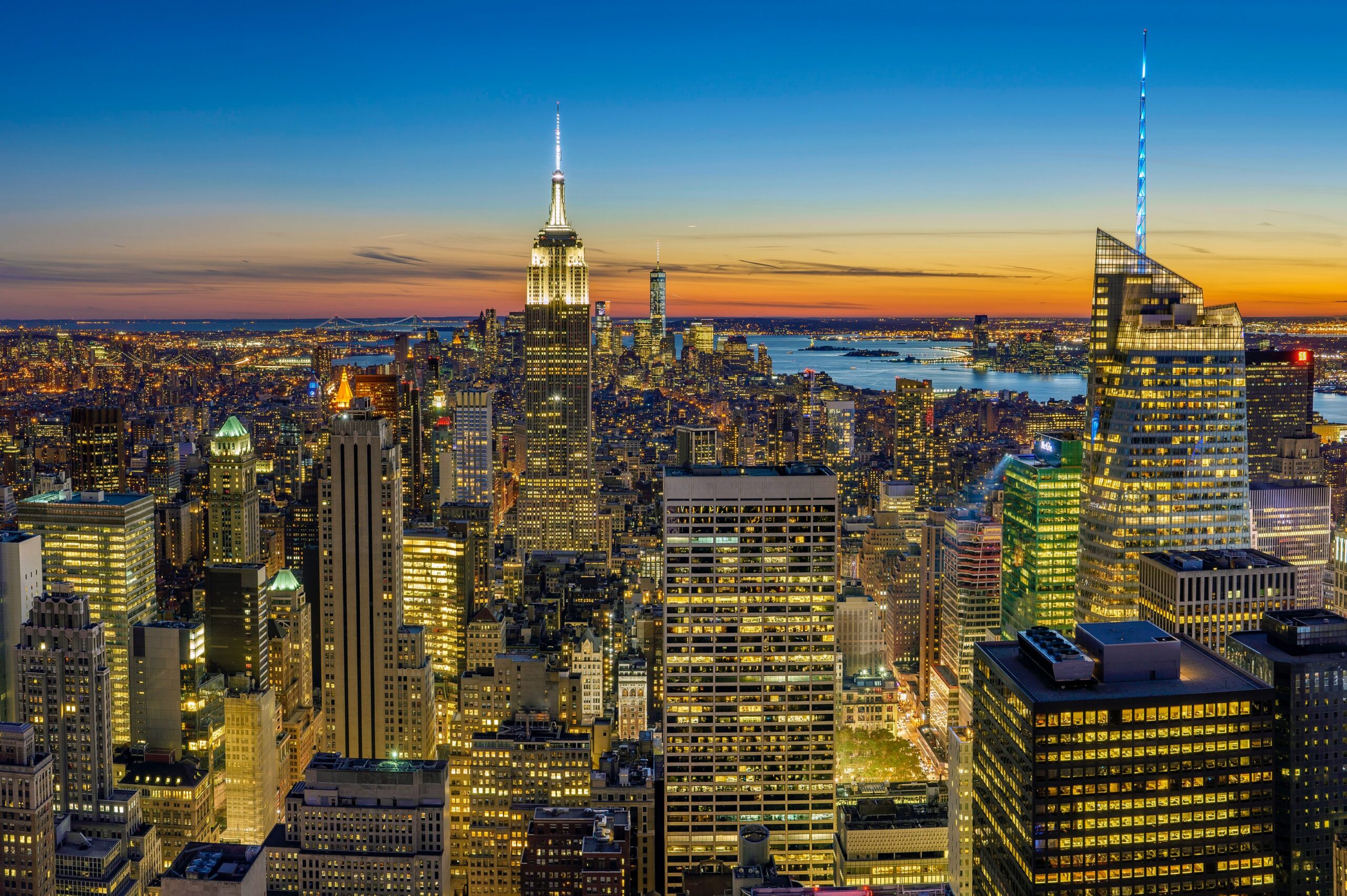
As globetrotters around the world brainstorm travel plans for the new year, major publications like Condé Nast Traveler, Lonely Planet, and CNN are offering their usual dose of inspiration. Their articles, extolling the best destinations of 2026, cover every continent and hemisphere on the planet, with a few remote mountain ranges and island archipelagos thrown in for good measure. The New York Times’ take on the 52 top travel destinations for 2026 is particularly interesting, with popular destinations like the country of Iceland and Bangkok, Thailand making the list. But their list also includes more obscure picks like Winnie-the-Pooh Country in Southeast England, Kyrgyzstan’s Tien Shan Mountains, Tanzania’s Ngorongoro Conservation Area, and even Medora, North Dakota, a scenic badlands area where a new presidential library, slated to open in July 2026, is set to celebrate the life of America’s “conservation president,” Theodore Roosevelt.
The New York Times seems to feel a little patriotic this year, because the number one destination on its list was none other than Revolutionary America, a part of the U.S. with historic significance for the nation’s independence. The region stretches from Philadelphia, Pennsylvania to Washington D.C. and is inclusive of East Coast states that were among the original 13 British colonies, like Massachusetts, Virginia, and New York.
Warsaw, Poland’s capital city took the number two spot, followed by Bangkok in third place, Costa Rica’s Osa Peninsula in fourth place, and Bandhavgarh National Park in India coming in at number five. In this article, we’ll explore each of these destinations in depth, describing why they made The New York Times’ list. We’ll also add our own insights on each of these special places to provide another perspective and contribute to a more well-rounded view.
Revolutionary America: Celebrating 250 Years of Independence
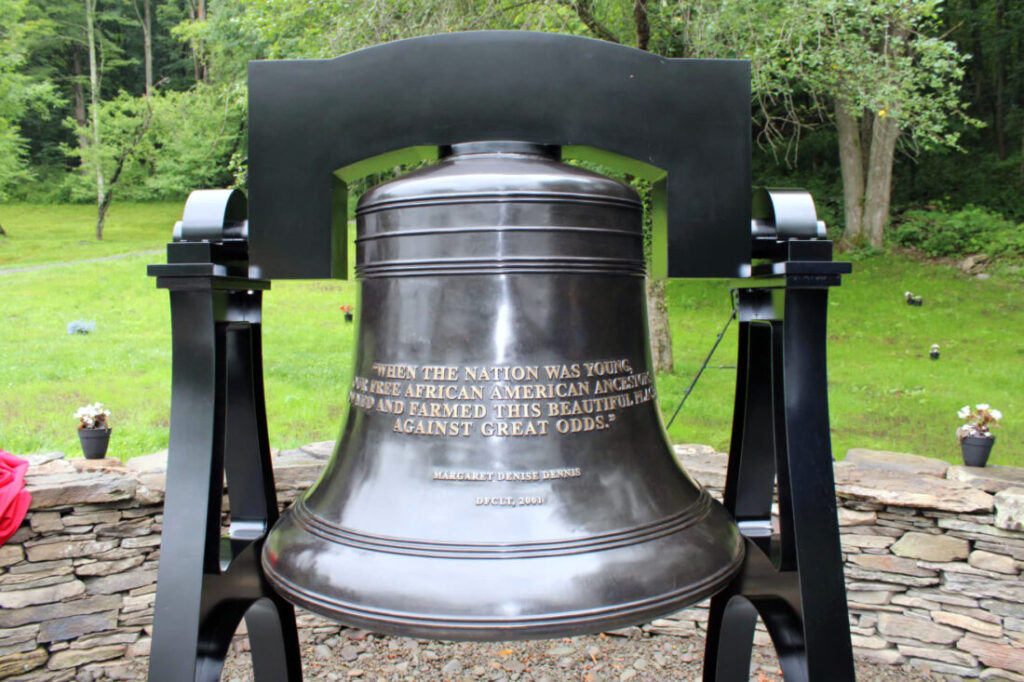
America’s 250th birthday is quickly approaching on July 4th, which explains why The New York Times named Revolutionary America its top destination for 2026. Encompassing the area of the 13 original British North American colonies and key sites in the 1775-1783 Revolutionary War, visitors can partake in several celebrations that are planned in historically significant cities, towns, and sites this year.
Philadelphia’s Semiquincentennial Celebrations
Some of the most notable events mentioned by the Times are set to take place in Philadelphia, where the Founding Fathers came together to draft and sign the Declaration of Independence, as well as the Constitution. These events will include the Red, White, & Blue To-Do festival on July 2, with special exhibits at museums, live musical performances, patriotic activities and games, and a festive parade through the city’s historic center.
Philadelphia’s role as the birthplace of American democracy makes it the epicenter of 2026 celebrations. The city’s Independence Hall, where both the Declaration of Independence and Constitution were debated and adopted, will host special guided tours and historical reenactments throughout the year.
Revolutionary War Reenactments Across States
Beyond Philly, the Times also mentions Revolutionary War battle reenactments that will take place in New York, New Jersey, and Virginia, plus a bevy of events in our nation’s capital, including concerts, balls, and fireworks.
These battle reenactments provide immersive experiences where history enthusiasts can witness recreations of pivotal moments like the Battle of Yorktown in Virginia and the Battle of Trenton in New Jersey. Participants dressed in period-accurate uniforms bring these historical moments to life with authentic tactics and weaponry.
Boston’s Inclusive Freedom Trail
The semiquincentennial events planned in Boston are extra exciting. Describing Boston’s iconic Freedom Trail, the executive director of Old North Illuminated, Nikki Stewart, noted for National Geographic that “For decades, the 2.5-mile path—a vital landmark attracting four million visitors annually—has predominantly focused on the contributions of ‘elite white men’ … But with the 250th anniversary approaching, Boston is taking bold steps to reshape the narrative.”
The story of America’s fight for independence is being reimagined to include the pivotal roles of women, people of color, and other often-overlooked figures, ensuring that their contributions are recognized in the historical fabric of the Revolution. In line with this objective, the city is hosting a variety of special events, historic reenactments, tours, and exhibits like Black Voices of the Revolution: Liberty, Emancipation, and the Struggle for Independence.
This inclusive approach to American history acknowledges contributions from enslaved people who fought for freedom, women who served as spies and organizers, and Native Americans whose alliances influenced war outcomes. The reimagined Freedom Trail stops now include stories previously excluded from mainstream narratives.
Warsaw, Poland: The Paris of the East Reimagined
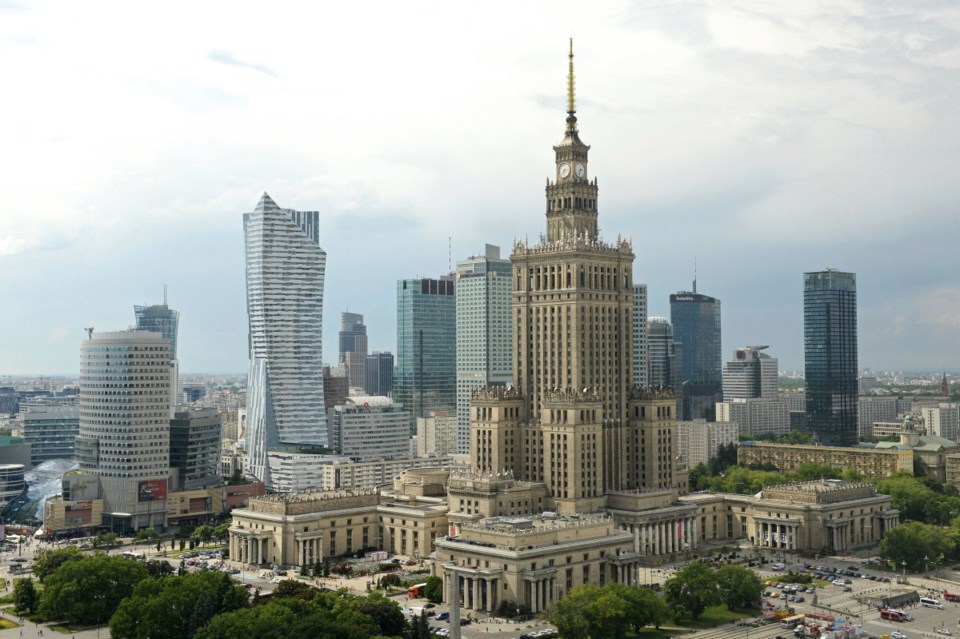
In second place on the Times list is Warsaw, Poland, a lively European capital city that’s been called the “Paris of the East.” Of all the capital cities in Europe, why this one? Probing further, we see that the reasoning behind the Times’ choice has everything to do with Warsaw’s architecture, infrastructure, culture, and identity.
Architectural Transformation
Contributing writer A.J. Goldman waxed lyrical about this in the Times ranking article: “For decades, the Polish capital has been seen as pragmatic rather than magnetic. In 2026, it demands to be seen anew.”
This is a city in the midst of not just a transformation but, in the religious sense of the word, a transubstantiation: the conversion of a drab substance into something ethereal and exalted. Around the city’s main square, Plac Defilad, lingering communist-era bleakness is giving way to green infrastructure and pedestrian-friendly corridors.
Gleaming skyscrapers like the Varso Tower—the tallest building in the European Union—have risen up to dominate the city’s skyline, casting shadows on the blockier behemoths of the Warsaw of the past.
Experiencing Warsaw’s Energy
The Times article clearly articulates this metamorphosis, but leaves out one key point. How can a visitor to Warsaw best appreciate its emerging dynamism? Here’s our take. Visit cultural hotspots, yes, like the dazzling new Museum of Modern Art highlighted in the Times article, but it’s also what fashion designer Ania Kuczyńska said to the Financial Times: “Warsaw has this powerful energy, something resilient that you feel just walking in the streets.”
Simply go out and stroll the city’s walkable neighborhoods, like Powisle and Praga. Pop into their art galleries, sip coffee in their cafés, and just soak up the vibe of urban revitalization and reinvention.
Praga, once considered a rough neighborhood, has transformed into Warsaw’s hippest district, filled with street art, independent boutiques, and trendy restaurants. Powisle, situated along the Vistula River, offers riverside parks and cycling paths that showcase the city’s commitment to green spaces.
The Museum of Modern Art, which opened in late 2024, represents Poland’s largest investment in contemporary culture. Its collection spans Polish and international works, making it essential for understanding Warsaw’s cultural renaissance.
Bangkok, Thailand: Leading Asia’s Green Revolution
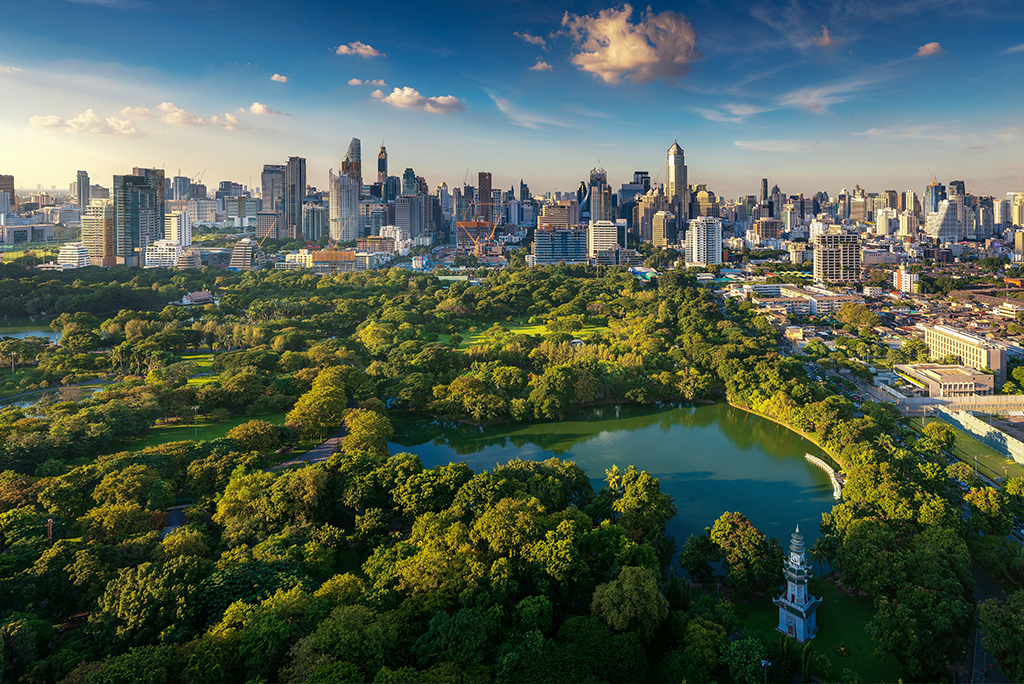
Next on the Times list is Thailand’s capital city, Bangkok. This is yet another metropolis in the midst of transformation, albeit of a different flavor than that of its European predecessor. Bangkok is undergoing a much-needed green revolution, according to the Times.
Climate Challenges and Solutions
As one of the most climate-vulnerable cities in the world, Bangkok has increasingly grappled with issues like urban heat, extreme weather events, and water scarcity, alternating with flooding. In response to these challenges, city planners initiated a slew of green projects to reduce flooding risks, repurpose canals and urban industrial spaces, improve the efficiency of public transportation, and enhance the walkability of neighborhoods and parks.
Bangkok’s location on the Chao Phraya River delta makes it particularly susceptible to flooding, especially during monsoon season. Rising sea levels compound these challenges, making the city’s green infrastructure investments not just aesthetic improvements but survival necessities.
Asia’s Most Interconnected Park System
Environmentally aware visitors intrigued by Bangkok’s emerging green scene should definitely check out its urban park system, which is now the most interconnected in all of Asia. As described in the Times article, the 20-acre, sculpture-lined green corridor between the Lumphini and Benjakitti parks (the latter being downtown’s largest green space) is a great place to start your tour.
Next, explore the city’s first blue-green infrastructure project at the 11-acre Chulalongkorn University Centenary Park, 3 miles southeast of the city center. This park has graded lawns feeding into wetland areas and a retention pool, allowing the park to act as a reservoir for up to 1 million gallons of water to stave off urban flooding.
The park’s innovative design incorporates permeable surfaces, native plant species, and water management systems that mimic natural ecosystems. During heavy rains, the park can hold excess water that would otherwise flood surrounding neighborhoods.
Beyond Green: Bangkok’s Vibrant Culture
Of course, you’ll find so much more than green innovations to discover in this vibrant hub of street life, temples, and world-class eats. Bangkok’s famous floating markets, Grand Palace, Wat Pho (Temple of the Reclining Buddha), and legendary street food scene remain as compelling as ever.
The city’s public transportation improvements include expanded BTS Skytrain and MRT subway lines, plus new electric bus routes that reduce air pollution while improving connectivity to major attractions.
Osa Peninsula, Costa Rica: Earth’s Most Biodiverse Place
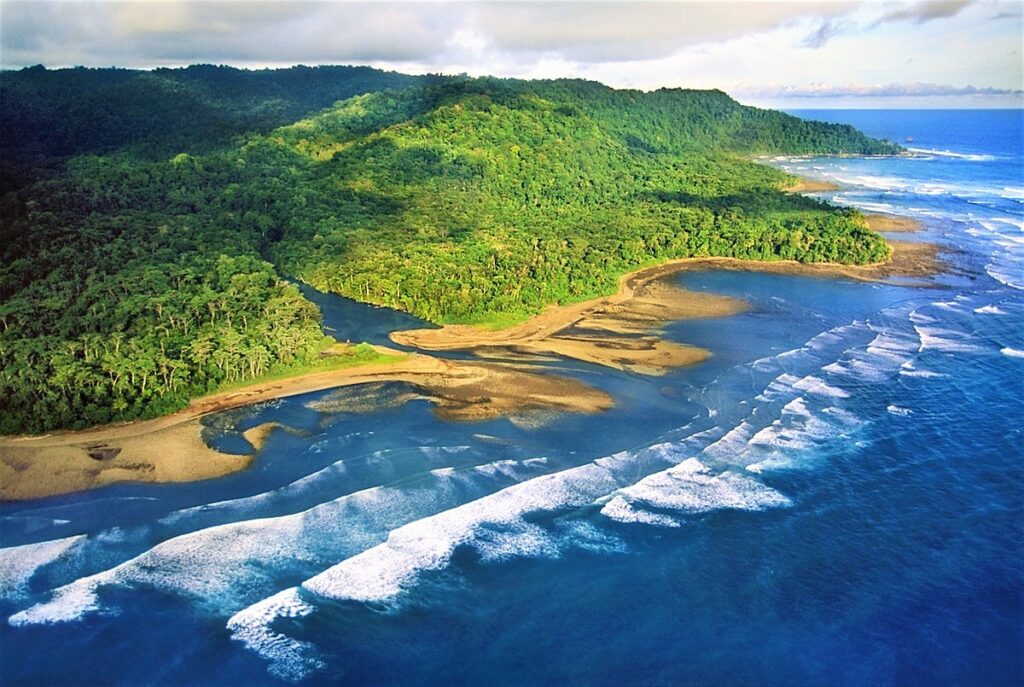
Fourth on the Times list is a place chosen for exactly the opposite reason as the former two. On the 700-square-mile Osa Peninsula, a remote destination in Costa Rica where even the most die-hard workaholics can unplug for vacation mode, the only driver of transformation isn’t human-powered at all—it’s nature herself.
Remarkable Biodiversity
National Geographic called the Osa Peninsula “the most biologically intense place on earth” due to its remarkable biodiversity. This peninsula, located in the southwest corner of Costa Rica, nearly half of which is occupied by Corcovado National Park, is home to a vast swathe of virgin tropical rainforest.
More than 400 species of birds can be found here, including striking scarlet macaws, along with exotic mammals like coatis, sloths, ocelots, and four species of monkeys, among others. Sea turtles nest on the peninsula’s secluded beaches, and the ocean waters around them teem with marine life.
Corcovado National Park contains 2.5% of the world’s biodiversity despite representing just 0.001% of Earth’s surface—an astonishing concentration of life forms. The park’s isolation and protection have preserved ecosystems largely unchanged for thousands of years.
Sustainable Ecotourism
Presumably, the Times selected this destination for its rare offering of pristine nature paired with increasing accessibility. Opt for a guided backpacking trip to Corcovado National Park first and foremost. Visitors will have the chance to squawk with the scarlet macaws, scan the shoreline for crocs, and snap photos of elusive tapirs.
Above all, we’d be sure to select a guiding service committed to sustainable development. Many local operators employ community members as guides, ensuring tourism revenue benefits those who protect these ecosystems. Eco-lodges throughout the peninsula maintain minimal environmental footprints while providing comfortable accommodations.
The Osa Peninsula’s remoteness—accessible primarily by small plane or rough roads—has historically limited visitor numbers, preserving its wild character. Recent infrastructure improvements balance accessibility with conservation, allowing responsible tourism without overwhelming fragile habitats.
Bandhavgarh National Park, India: Tiger Conservation Success
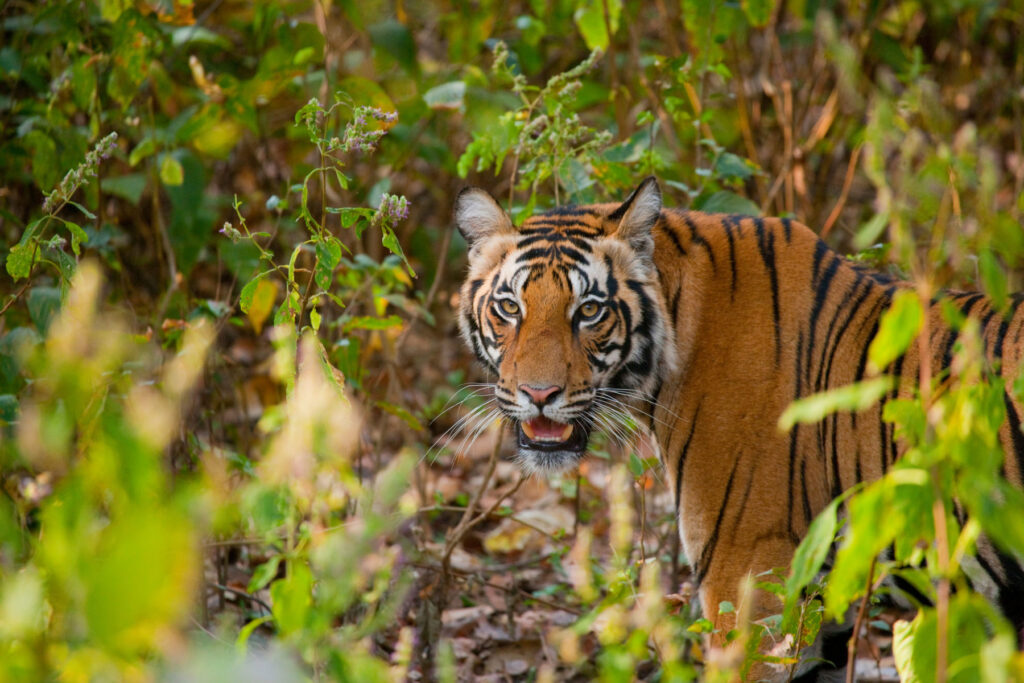
Rounding out the Times’ top five is Bandhavgarh National Park, part of a 590-square-mile area known as the Bandhavgarh Tiger Reserve in Madhya Pradesh, India. Here, the lion isn’t the king of the jungle, but the tiger.
Growing Wild Tiger Population
About 5,500 of these regal felines remain in the wild, wandering the forests and grasslands of Asia. Bandhavgarh is an ideal place to see them in their natural habitat, due to their high density. Possibly one of the reasons the Times included this destination on their list is that the number of wild tigers is actually growing in India due to conservation efforts. In fact, it’s doubled over the past 10 years.
India’s tiger conservation success story represents one of wildlife preservation’s greatest achievements. Strict anti-poaching measures, habitat protection, and community engagement programs have reversed decades of population decline.
Accommodation Options
For travelers who are eager to spot these striped beauties, there are multiple ways to stay inside the park. Choose from high-end options like the 5-star Oberoi Vinyavilas Wildlife Resort, suggested by the Times, whose launch was one of 2025’s most anticipated hotel openings across the globe.
While luxury tents, private patios, and pools at the Oberoi sound sublime, the resort’s price tag of $450+ per night might be out of range for some travelers. Still, there are a few budget-friendly accommodations near Bandhavgarh National Park, including the Lemon Tree Wildlife Resort with rooms at just $75 per night and rave reviews on Tripadvisor.
Safari experiences at Bandhavgarh typically involve early morning and late afternoon jeep tours when tigers are most active. The park’s relatively compact size and high tiger density give visitors excellent sighting probabilities—among the best in India.
Beyond tigers, Bandhavgarh hosts leopards, sloth bears, various deer species, and over 250 bird species, making it rewarding even if the big cats prove elusive on a particular visit.
Why These Destinations Matter in 2026
The New York Times’ selections for 2026 represent more than random picks—they reflect emerging travel trends and global priorities. Revolutionary America celebrates national heritage during a milestone anniversary. Warsaw demonstrates post-communist transformation and European urban renewal. Bangkok showcases climate adaptation and sustainable urban planning.
Costa Rica’s Osa Peninsula reminds us why pristine nature deserves protection, while Bandhavgarh proves conservation can reverse species decline. Together, these destinations offer history, culture, sustainability, biodiversity, and wildlife—comprehensive experiences addressing what modern travelers increasingly seek.
The diversity across these top five destinations—from American historical sites to Asian megacities to Central American rainforests—ensures various traveler types find appealing options. History buffs, urban explorers, nature lovers, and wildlife enthusiasts all discover compelling reasons to travel in 2026.
For comprehensive coverage of global travel trends, destination guides, and 2026 travel planning resources, visit The Inspiring Insight where we provide expert analysis on emerging destinations, sustainable tourism practices, and insider tips for experiencing the world’s most remarkable places. Stay informed with our ongoing coverage of top travel lists, destination transformations, and practical advice that helps you plan memorable journeys throughout the year.