
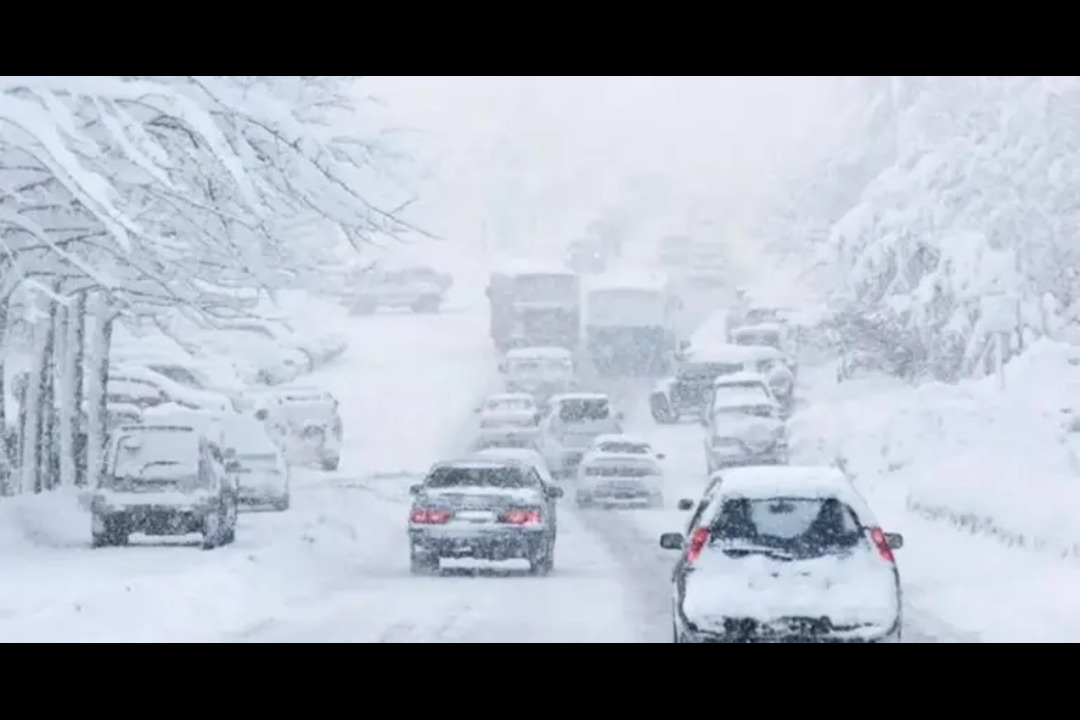
Morocco has issued severe weather warnings across multiple provinces as a powerful weather system brings heavy rainfall, significant snowfall, and dangerous winds through Wednesday evening. The General Directorate of Meteorology (DGM) has placed several regions under red alert status, warning of potential flooding, hazardous travel conditions, and infrastructure damage. Residents and travelers across Morocco weather alert zones are urged to exercise extreme caution as meteorologists predict the most intense conditions will occur over the next 48 hours, with disruptions expected to continue impacting daily life and transportation networks throughout affected areas.
The Morocco severe weather warning encompasses a broad geographic area, with varying levels of risk assigned to different provinces based on anticipated precipitation levels, snowfall accumulation, and wind intensity. This comprehensive alert system helps residents and authorities prepare for the Morocco flooding risks and travel hazards associated with this significant weather event.
Heavy Rainfall Threatens Northern Morocco Provinces
The most critical concerns center on heavy rain Morocco conditions affecting northern provinces, particularly Chefchaouen and Tetouan. Meteorologists forecast that these regions will receive over 100 millimeters of rainfall accompanied by thunderstorms through Wednesday, creating Chefchaouen flooding conditions that pose serious risks to life and property.
The Tetouan heavy rain forecast similarly predicts extreme precipitation that will overwhelm drainage systems and create hazardous road conditions. With sustained rainfall of this magnitude, flash flooding becomes a significant concern, particularly in low-lying areas and regions with poor drainage infrastructure. The DGM Morocco weather warnings emphasize that these red alert areas face the highest risk levels.
Beyond the red alert zones, orange-level alerts have been issued for additional northern provinces Morocco including M’Diq-Fnideq and Tanger-Assilah. These areas expect 60-100 millimeters of rainfall, which while less severe than red alert zones, still presents substantial Morocco travel disruptions and flooding potential.
The DGM has also warned provinces including Khenifra and Ifrane to prepare for 30-40 millimeters of rain this afternoon and evening. Meanwhile, Kénitra and Taza provinces will experience 35-50 millimeters through Wednesday noon, further complicating the Morocco road conditions across the northern tier of the country.
Snowfall Accumulation Threatens Mountain Regions
Alongside rainfall, the weather system will deliver significant Morocco mountain snow to higher elevations. The DGM forecasts Morocco snow accumulation between 10-30 centimeters above 1,600 meters, with provinces including Sefrou, Boulemane, Taza, Guercif, and Ifrane facing the most substantial snowfall Morocco over the next 24 hours.
This Morocco snowstorm impact extends beyond simple accumulation figures. Heavy snow at these elevations will create extremely hazardous driving conditions on mountain passes and rural roads. Visibility will be severely reduced during active snowfall, while accumulating snow will make many routes impassable without proper winter equipment.
Authorities are advising travelers to avoid non-essential travel through affected mountain areas. For those who must travel, checking Morocco winter weather updates before departure is critical, as conditions can deteriorate rapidly. The combination of snow accumulation and strong winds creates additional hazards through drifting snow that can unexpectedly close previously passable routes.
The snow forecast Morocco mountain regions indicates that the heaviest snowfall will occur during the next 24 hours, with conditions potentially improving Thursday as the weather system moves eastward. However, even after snowfall ceases, hazardous road conditions will persist until clearing operations can address accumulated snow.
Dangerous Wind Gusts Compound Weather Hazards
The severe weather system also brings strong winds Morocco that compound the hazards created by rain and snow. The DGM indicates that wind gusts Morocco will reach 75-85 km/h across sections of Boulemane, Sefrou, and Ifrane during afternoon and evening hours over the next few days.
As the weather system intensifies, wind speeds are expected to increase, with Morocco wind gusts 90 km/h anticipated across broader areas of the country. These extreme winds pose serious risks beyond simple discomfort—at these velocities, winds can cause structural damage to buildings, uproot trees, and transform loose objects into dangerous projectiles.
Provinces including Ouarzazate, Midelt, Tinghir, and Figuig will also experience dangerous wind conditions as the system progresses. The combination of high winds and heavy precipitation creates particularly hazardous conditions, as saturated soil reduces trees’ anchoring capacity, making them more susceptible to wind damage.
Wind-related hazards Morocco extend to transportation as well. High-profile vehicles face particular risks on exposed roadways, where crosswinds can cause loss of control. Pedestrians also face dangers from wind-blown debris and the difficulty of maintaining balance in extreme gusts.
Understanding Morocco’s Weather Alert System
The DGM Morocco alert levels help residents and visitors understand risk severity and appropriate responses. Red alerts represent the highest threat level, indicating extreme weather conditions that pose significant dangers to life and property. These alerts require immediate protective action and typically involve recommendations to avoid all non-essential travel.
Orange alerts indicate serious weather conditions that require heightened awareness and precautions but may not reach the extreme levels of red alerts. Yellow alerts represent the lowest warning level, suggesting that weather conditions merit attention but don’t typically require major behavioral changes.
Understanding how to respond to Morocco weather warnings helps ensure appropriate preparedness. When red alerts are issued, staying indoors in secure structures represents the safest option. Orange alerts suggest delaying non-essential travel and preparing for possible disruptions. All alert levels warrant monitoring official communications for updates and potential escalation.
Travel Safety and Transportation Disruptions
The Morocco travel warnings issued in conjunction with this weather event emphasize significant risks to transportation networks. Heavy rainfall creates flooding that can render roads impassable, while reduced visibility during storms increases accident risks. Mountain snow closes passes and creates treacherous driving conditions even on major routes.
Strong winds add another dimension to Morocco transportation safety concerns. Crosswinds affect vehicle control, particularly for high-profile vehicles like trucks and buses. Falling trees and debris can suddenly block roadways, creating collision hazards for following traffic.
Authorities recommend that travelers postpone non-essential journeys until conditions improve. Those who must travel should inform others of their routes and expected arrival times, carry emergency supplies including water and blankets, and maintain full fuel tanks in case of unexpected delays or route diversions.
Public transportation may experience significant Morocco storm disruptions, with bus services potentially suspended in the most affected areas and train schedules subject to delays or cancellations. Air travel may also be impacted by wind conditions that complicate takeoffs and landings.
Emergency Preparedness and Response
Emergency services across affected provinces are on heightened alert, prepared to respond to Morocco flooding emergency situations and other weather-related incidents. This includes positioning resources in strategic locations to enable rapid response to calls for assistance.
Residents in flood-prone areas should identify evacuation routes and prepare emergency kits with essential supplies. Those in mountain regions should ensure adequate heating fuel and food supplies in case snow isolates communities temporarily.
Morocco disaster response teams are also working proactively to clear drainage systems, reinforce vulnerable infrastructure, and maintain critical services throughout the weather event. These preparations help minimize disruptions and ensure that essential services like hospitals and emergency communications remain operational.
Weather Timeline and Expected Improvements
The DGM Morocco severe weather timeline indicates that the current alert remains valid until Wednesday at 11 p.m. The most intense conditions are expected during the next several hours, with gradual improvement anticipated as the weather system moves out of the region.
However, even after the immediate weather threat passes, residual impacts will continue. Flooded areas require time to drain, damaged infrastructure needs repair, and snow clearance operations take hours or days depending on accumulation levels. Travelers should continue monitoring Morocco weather updates even after alerts expire to ensure routes are safe and services have resumed normal operations.
Staying Informed During Severe Weather
Accessing reliable Morocco weather forecast information helps residents and travelers make informed decisions during severe weather events. Official DGM communications provide the most authoritative updates, while local radio and television stations relay critical information and emergency instructions.
Social media can provide real-time updates on local conditions, but information should be verified against official sources before making decisions based on it. Many provinces and municipalities maintain dedicated communication channels for emergency updates that residents should follow.
For those planning future travel to Morocco, understanding the country’s weather patterns and seasonal variations helps in scheduling trips during more favorable conditions and preparing appropriately for the weather characteristic of different times of year.
Morocco’s diverse geography creates complex weather patterns that can vary dramatically across relatively short distances. Mountain regions experience different conditions than coastal areas, while the interior faces distinct weather challenges. This geographic diversity means that severe weather often affects some regions while others remain unaffected.
For comprehensive coverage of weather events, travel safety information, and guidance on navigating challenging conditions worldwide, The Inspiring Insight provides expert analysis and practical advice. Visit our platform for updates on developing weather situations, travel tips, and insights to help you stay safe and informed wherever your journeys take you.