
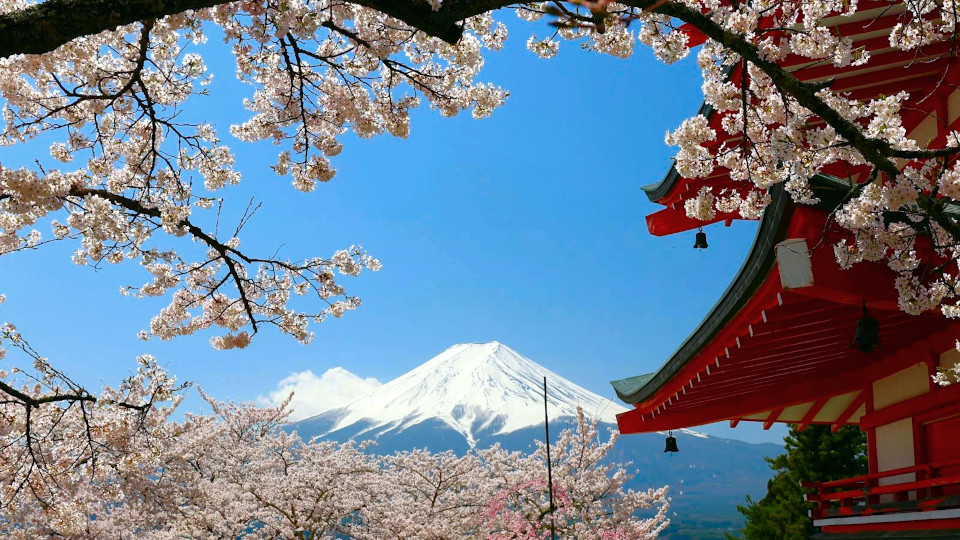
Fujiyoshida City has officially canceled the 2026 Arakurayama Sengen Park Cherry Blossom Festival scheduled for April 2026, marking an unprecedented decision in the event’s 10-year history prompted by severe overtourism impacts on local residents. Mayor Shigeru Horiuchi and the municipal government cited unmanageable tourist behaviors including property trespassing, hygiene violations, and safety concerns affecting schoolchildren as primary reasons for the Fujiyoshida cherry blossom festival cancellation. While the park remains open for cherry blossom viewing Mount Fuji, the city will implement strict crowd control measures from April 1-17, 2026, including increased security, traffic restrictions, and portable toilet installations to protect resident quality of life during the expected peak bloom period between April 8-15.
This Japan overtourism 2026 decision reflects growing tensions between tourism revenue and community welfare at popular destinations near Mount Fuji.
Overtourism Crisis Forces Historic Cancellation
The Arakurayama Sengen Park overtourism situation escalated beyond manageable levels according to the official municipal statement, with resident complaints documenting invasive tourist behavior Fujiyoshida including unauthorized entry into private homes to use bathrooms, trespassing on residential properties for photography, and littering including extreme hygiene violations in private gardens.
Safety concerns cherry blossoms Japan centered on narrow sidewalks blocked by massive tourist crowds physically pushing schoolchildren aside during morning commutes, creating dangerous conditions the city deemed unacceptable. Heavy traffic congestion rendered local roads impassable, hindering emergency vehicle access and fundamentally disrupting daily life for Fujiyoshida residents.
The cherry blossom tourism problems Japan exemplified at this site include infrastructure strain that municipal resources cannot adequately address while maintaining festival operations. The cancellation represents prioritizing resident safety and dignity over tourism revenue—a significant policy shift for a destination economically dependent on seasonal visitors.
2026 Cherry Blossom Viewing Measures
Despite the festival cancellation, Arakurayama Park remains open 2026 with visitors expected to continue arriving for Mount Fuji cherry blossom viewing. The city announced temporary measures April 1-17, 2026 to manage ongoing tourism without festival infrastructure:
Security deployment includes additional personnel preventing private property access and enforcing respectful behavior standards.
Traffic control Fujiyoshida 2026 implements temporary regulations with designated parking areas alleviating road congestion that previously blocked emergency services.
Portable toilets cherry blossom sites address hygiene concerns by providing public facilities reducing unauthorized residential property access.
Public transportation encouragement urges visitors to use Fujikyuko Line rail access reducing vehicular traffic strain on local roads.
Japan Blue Ticket cycling law effective April 1, 2026 allows on-the-spot fines for traffic violations including mobile phone use while cycling, enhancing pedestrian safety.
These Fujiyoshida crowd control measures 2026 aim to preserve viewing access while protecting resident welfare during the critical bloom period.
Cherry Blossom Peak Bloom Forecast 2026
The Yamanashi cherry blossom forecast 2026 predicts full bloom in Kofu from March 29-April 5, while Fujiyoshida cherry blossom peak occurs later April 8-15 due to higher altitude near Mount Fuji.
Chureito Pagoda wait times could reach three hours during peak bloom as visitors queue for the iconic Mount Fuji backdrop photograph that made the location internationally famous. The city emphasizes this represents viewing, not festival celebration, urging quiet, respectful engagement.
The cherry blossom bloom timing Japan varies by elevation and latitude, with Fujiyoshida’s cooler mountain climate delaying bloom approximately one week compared to lower-altitude Yamanashi locations and two weeks after Tokyo’s typical late March peak.
Shift from Festival to Peaceful Viewing
The transition from organized festival to informal viewing represents fundamental change in how Fujiyoshida manages seasonal tourism. Previous festivals featured vendor stalls, organized entertainment, and promotional activities attracting mass crowds. The 2026 approach eliminates these elements, creating atmosphere more aligned with traditional hanami (flower viewing) cultural practice emphasizing contemplative appreciation.
Visitors planning trips should prepare for different experiences than previous years, with no food vendors, organized programming, or festive atmosphere. The respectful cherry blossom viewing Japan approach requests tourists avoid private property marked areas, minimize noise, properly dispose of waste, and accept longer wait times at popular viewpoints.
This cherry blossom tourism management strategy tests whether destination appeal remains without festival enhancement, potentially establishing models for other overtourism-affected sites.
Broader Japan Overtourism Context
The Fujiyoshida decision reflects wider Japan tourism problems 2026 as post-pandemic travel recovery brings unprecedented visitor numbers to popular destinations. Mount Fuji tourism impact extends beyond Fujiyoshida to surrounding communities struggling with similar issues including Kawaguchiko’s recent barrier installation blocking famous Lawson convenience store view.
Other regions may adopt similar festival cancellations or restriction measures as resident tolerance for tourism disruptions decreases. The overtourism Japan solutions debate weighs economic benefits against quality of life degradation, with Fujiyoshida’s action representing resident welfare prioritization.
Japanese tourism policy 2026 increasingly addresses sustainable visitor management through entry fees, reservation requirements, and promotional campaigns dispersing crowds to less-visited destinations. However, iconic sites like Mount Fuji cherry blossom locations face particular challenges due to concentrated seasonal demand and limited geographic alternatives.
Visiting Fujiyoshida Spring 2026
For travelers committed to Fujiyoshida cherry blossom viewing 2026, the city requests adherence to posted guidelines, use of public transportation, and realistic expectations about crowding and wait times. The experience offers authentic natural beauty without commercial festival overlay, potentially appealing to travelers seeking quieter, more contemplative encounters.
Alternative cherry blossom viewing Japan sites include less-crowded locations throughout Yamanashi Prefecture and neighboring regions offering spectacular blooms without the concentrated tourist pressure affecting Arakurayama Park.
The cancellation serves as cautionary reminder that popular destinations face limits to sustainable visitor capacity, with community welfare ultimately taking precedence over tourism promotion when conflicts become untenable.
For comprehensive coverage of Japan tourism developments, travel policy updates, and sustainable destination management initiatives, The Inspiring Insight provides expert analysis on evolving travel landscapes worldwide. Explore our Japan and Asia travel sections for insights on navigating popular destinations responsibly while respecting local communities.