
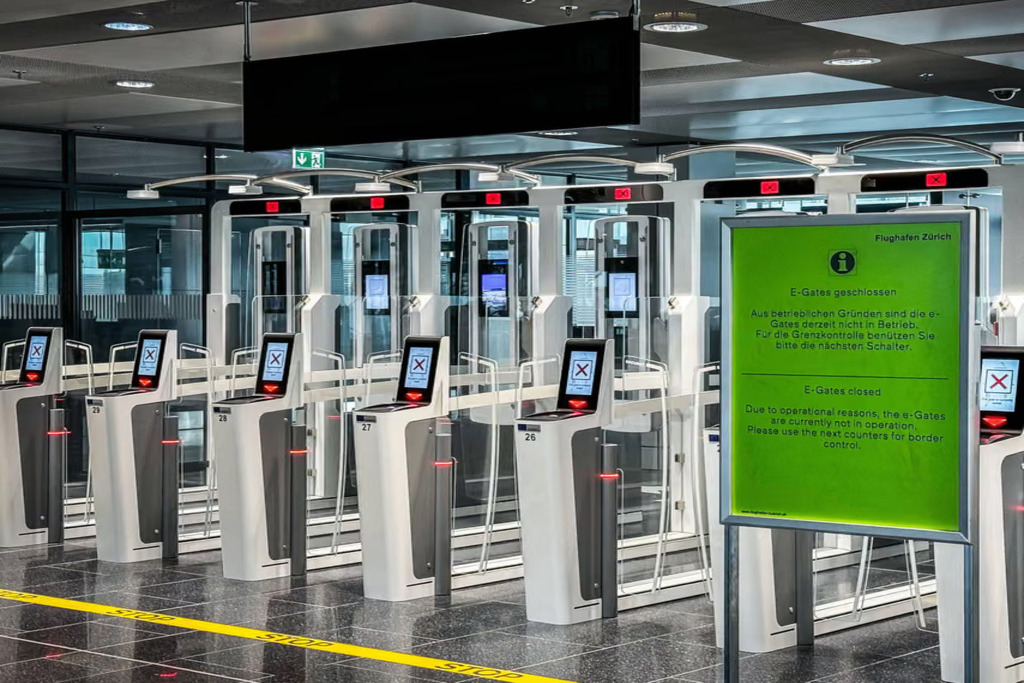
The European Entry/Exit System (EES) launching fully across the Schengen area by April 10, 2026, will fundamentally transform border crossing procedures for non-EU nationals through digital registration replacing traditional passport stamps, requiring biometric data including fingerprint scans and facial recognition photos at initial entry points as explained by travel expert Rick Steves and researcher Travis Parker during the 2026 Travel Festival virtual event focused on European travel challenges. This new EU border control technology aims to streamline immigration processes, enhance security through improved identity fraud detection, and track visa overstays more effectively across all Schengen countries—though initial implementation may create significant wait times up to six hours at busy entry points during summer peak travel periods according to BBC reporting. The EES biometric registration for travelers represents one of three major challenges for European travel 2026 identified during Rick Steves’ State of European Travel presentation, with the Travel to Europe app enabling pre-registration to reduce airport processing times at self-service scanning kiosks replacing human border guards at many European entry points.
The Rick Steves European travel insights provide authoritative guidance on navigating evolving travel regulations, with the EES system representing the most significant border control change affecting American and other non-EU travelers since the Schengen agreement establishment.
Understanding the Entry/Exit System (EES)
The EES Europe border control represents implementation of advanced technologies for managing non-EU national movements across Schengen area borders. As Rick Steves researcher Travis Parker explained during the virtual Travel Festival 2026 segment, “Border crossings, customs and immigration… is becoming more high-tech.”
The fundamental EES purpose involves tracking who enters and exits Schengen countries more efficiently than traditional passport stamp systems. Whenever non-EU nationals cross into any Schengen area country, their information will be digitally registered in real-time without requiring questioning by immigration officers or physical document stamps that previously documented entry and exit dates.
This digital border management system aims to provide multiple benefits beyond simple record-keeping. The EES streamline border crossing goals include reducing processing times once travelers complete initial registration, while simultaneously improving security through more effective identity fraud detection capabilities and better tracking of visa overstays that previously occurred when physical stamps went unverified.
The high-tech border crossings Travis Parker described involve “self-service scanning machines or kiosks that scan your face or finger instead of actually chatting with a human border guard” becoming standard at European entry points. This automation reflects broader trends toward biometric authentication replacing manual document verification across international travel systems.
EES Implementation Timeline and Rollout
While some countries began EES pilot programs as early as October 2025, the full Schengen area implementation deadline occurs April 10, 2026. This staggered rollout enables testing and refinement before complete system activation across all participating countries.
The April 2026 EES launch represents the first phase of more comprehensive European travel authorization changes. Parker noted during the Rick Steves virtual event that the EES will eventually expand into an additional authorization system requiring payment fees—the European Travel Information and Authorization System (ETIAS)—though this component isn’t expected to launch until late 2026.
This phased approach provides travelers time to adapt to new procedures before additional requirements take effect. The ETIAS expansion will function similarly to the United States ESTA system, requiring pre-travel authorization applications and fees beyond the initial biometric registration.
Biometric Data Requirements: What to Expect
The EES biometric data collection represents the system’s core technological component. At first entry under the new system, non-EU nationals must provide biometric identifiers including facial recognition photos, fingerprint scans, or both depending on specific entry point equipment and protocols.
This biometric registration process occurs at border crossing points including airports, seaports, and land border stations. The fingerprint scanning procedures typically involve placing fingers on electronic scanners capturing detailed prints for database storage, while facial recognition systems photograph travelers for digital identity verification.
The initial enrollment EES process can be time-consuming, particularly during implementation phases when travelers and border officials alike adapt to new procedures. The BBC wait times report suggesting potential six-hour delays at busy destinations during summer peak travel raised significant concerns about tourism industry impacts and traveler frustration.
However, these extended processing times primarily affect initial registrations. Subsequent border crossings become quicker as the system only requires verification of existing biometric data rather than complete re-enrollment. This creates incentives for travelers to complete initial registration at less-busy entry points or during off-peak travel periods when shorter queues enable faster processing.
Pre-Registration Through Travel to Europe App
The Travel to Europe app provides pre-registration capabilities enabling travelers to submit required information before arriving at border crossings. This advance data submission can significantly reduce airport processing time by completing portions of the enrollment process remotely.
However, app availability varies by country, and not all Schengen nations participate in pre-registration programs. Travelers should verify whether their specific entry country supports app-based pre-registration and understand which data elements can be submitted in advance versus those requiring in-person collection.
The app functionality typically includes basic biographical information submission, though biometric data collection generally requires physical presence at scanning equipment. Understanding these limitations prevents unrealistic expectations about completely avoiding airport processing queues.
Exceptions and Special Categories
Despite broad application to non-EU nationals, numerous EES exemptions exist for specific traveler categories. Students traveling for educational purposes, researchers conducting academic work, and certain other visa categories may not require EES registration depending on visa types and visit purposes.
Additionally, frequent travelers who completed initial biometric enrollment only need verification at subsequent entries rather than repeating full registration processes. These streamlined re-entry procedures particularly benefit business travelers and others making multiple European trips annually.
Travelers should research whether their specific circumstances qualify for exceptions or simplified procedures. Official government resources and embassy websites provide authoritative information about exemption categories and required documentation proving eligibility.
Managing Summer Travel Disruptions
The potential summer wait times EES presents particular challenges for vacation travelers during peak July-August periods when European tourism reaches maximum volumes. Airports in popular destinations like Paris, Rome, Barcelona, and Athens may experience severe congestion as millions of travelers complete initial registrations simultaneously.
Euronews reporting suggested possible EES summer pauses if wait times become unmanageable, though such suspensions would create their own complications for travelers uncertain whether systems will be operational during planned trips. This uncertainty complicates trip planning and may encourage travelers to avoid peak summer periods entirely.
Strategies for mitigating disruption include traveling during shoulder seasons (May-June or September-October) when processing volumes decrease, arriving at airports with extra time buffers beyond normal recommendations, or choosing less-popular entry points where shorter queues enable faster processing.
Rick Steves Travel Festival: European Travel 2026
The Rick Steves Travel Festival 2026 virtual event provided comprehensive European travel guidance beyond just EES explanations. The multi-segment format covered crowd management strategies, European food tasting experiences, and broader State of European Travel 2026 analysis identifying three major challenges confronting travelers.
The interactive web series approach Rick Steves employs enables accessible expert guidance reaching audiences unable to attend in-person events or purchase extensive guidebook collections. These virtual seminars democratize travel expertise while addressing timely topics affecting current and near-future travel planning.
The European travel guidebooks Rick Steves publishes provide complementary printed resources, while the extensive travel blog offers ongoing updates as situations evolve. This multi-platform approach ensures travelers access information through preferred formats whether digital, printed, or video-based.
Broader Context: European Travel Challenges 2026
While the EES represents one major challenge, Rick Steves’ presentation identified two additional significant concerns for European travel 2026 though specific details about these other challenges weren’t provided in the source material. These might include overtourism management in popular destinations, climate change impacts on seasonal travel patterns, or economic factors affecting travel costs.
Understanding the EES within this broader context of evolving European travel conditions helps travelers prepare comprehensively rather than focusing narrowly on single issues. Successful international travel increasingly requires adaptability as regulations, technologies, and conditions change more rapidly than in past decades.
Practical Recommendations for 2026 European Travel
Based on Rick Steves expert guidance and EES system details, travelers should:
Allow Extra Time: Build additional buffer time into airport arrival schedules, particularly for first European entry under the new system. The standard two-hour international flight arrival recommendation may prove insufficient during initial implementation periods.
Consider Entry Points: Less-busy airports and land borders may offer shorter processing queues than major hubs. Flying into smaller cities before traveling to major destinations might reduce wait times significantly.
Research Exceptions: Determine whether your travel purpose, visa type, or nationality qualifies for EES exemptions avoiding registration requirements entirely.
Monitor Updates: EES implementation continues evolving with potential policy adjustments based on early experiences. Following Rick Steves updates and official EU sources ensures current information.
Download the App: If traveling to countries supporting the Travel to Europe app, complete pre-registration steps reducing in-person processing time.
Plan Subsequent Visits: Once initial biometric enrollment completes, future European trips become easier with streamlined verification replacing full registration.
For travelers planning European adventures in 2026 and beyond, understanding the Entry/Exit System represents essential preparation enabling smoother border crossings despite technological changes. While initial implementation challenges may frustrate early adopters, the long-term benefits of faster processing and enhanced security should eventually vindicate the transition from traditional passport stamps to digital biometric systems.
For comprehensive travel guidance, destination insights, and ongoing updates about international travel requirements, The Inspiring Insight delivers expert analysis and practical recommendations. Explore our international travel and Europe sections for additional resources supporting successful journeys across the continent and beyond.