
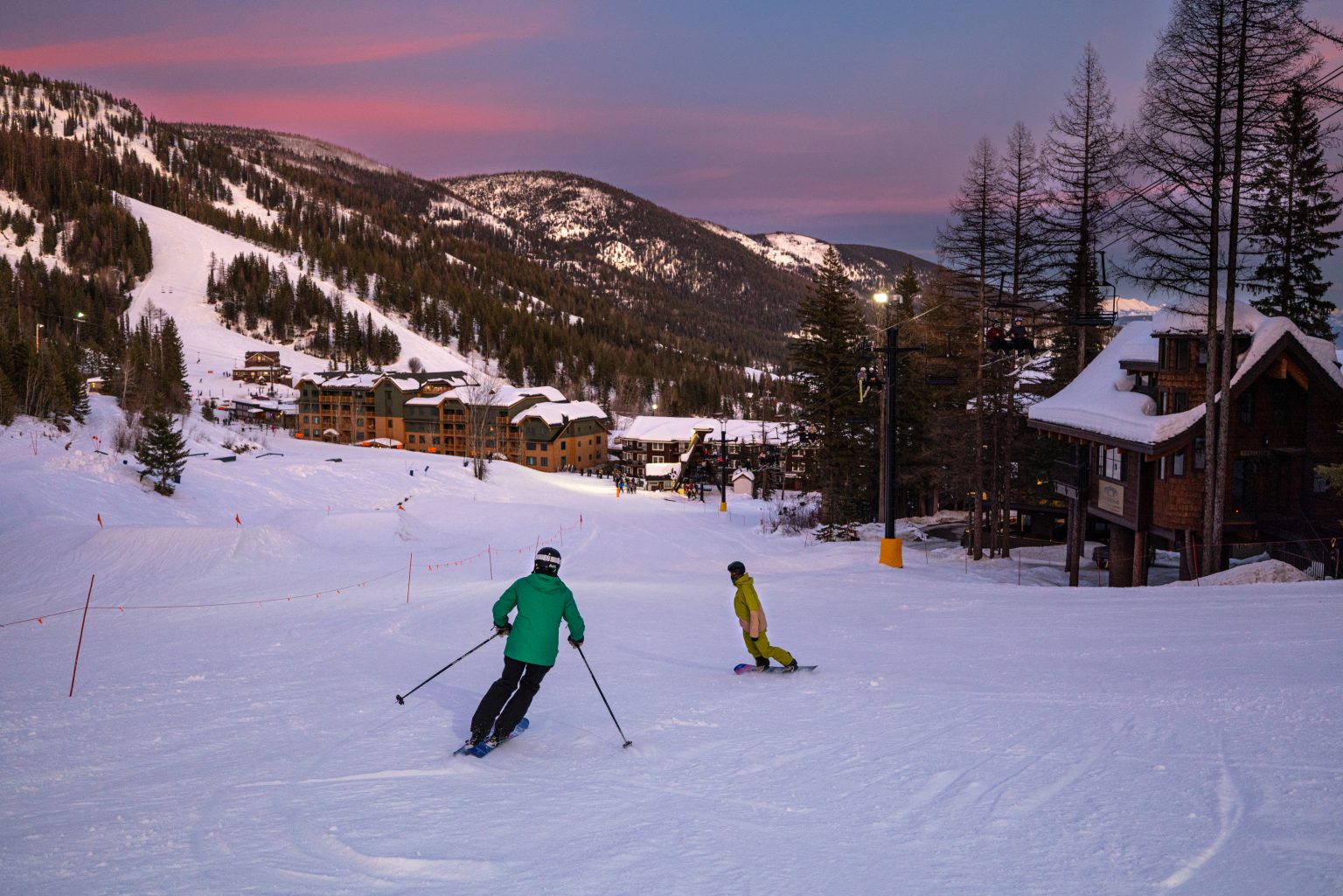
Ski touring, skinning, and alpine touring have grown into core pursuits for winter athletes who want to earn their turns, escape crowds, and expand the boundaries of traditional resort skiing. From dawn patrol missions to headlamp-lit evening laps, the uphill movement culture has matured into a distinct discipline with its own skill sets, safety protocols, and passionate community. Whether the goal is backcountry skiing far from ski area boundaries or training laps on a resort’s designated uphill route, understanding the differences between daytime and nighttime skinning is essential for doing it safely and sustainably.**
The appeal is universal: a more intimate connection with terrain, a deeper sense of accomplishment, and a physically demanding workout that draws athletes across ages and experience levels. But as the sport accelerates in popularity, it also brings greater awareness of risks that vary significantly depending on when and where you tour.
Day touring and night touring both offer stunning experiences, but they are fundamentally different activities that demand different preparation. Clear visibility, warm temperatures, and safety support make daytime travel generally more suitable for beginners, while nighttime skinning is a specialized pursuit reserved for experienced alpine touring athletes who understand terrain, navigation, resort operations, and risk management in low-light environments.
The Case for Daytime Ski Touring: Visibility, Access and Approachability
Daylight is the single biggest safety advantage in ski touring. For new and intermediate backcountry skiing participants, daytime visibility fundamentally changes the way hazards are identified, decisions are made, and partners remain in contact.
Clear sightlines make it easier to understand terrain shapes, identify avalanche indicators like cracking or recent slides, and spot hazards such as rocks, stumps, open creeks, and resort operations equipment. At ski resorts, this visibility also helps you avoid winch cats and their long, nearly invisible cables, which pose lethal risks to uphill travelers.
Navigation is more intuitive during the day. Landmarks are identifiable, maps and GPS references align more naturally with what you see, and it’s easier to adjust your plan when something appears unsafe. Day touring also provides access to more people on the mountain. From ski patrol during resort hours to passing skiers who can assist in an emergency, the presence of others creates a safety net that doesn’t exist at night.
Temperature and Comfort Advantages
Day touring also offers warmth and comfort. Although conditions can still be frigid, daytime temperatures typically make frostbite, hypothermia, and equipment malfunctions less likely. This environment is ideal for honing skinning technique, practicing transitions, and building cardiovascular fitness.
The social component can be appealing as well, with opportunities to ascend in groups, meet other uphill travelers, and enjoy long views from ridgelines and summits. Many ski areas now designate specific uphill tracks where the community of skin track enthusiasts gathers regularly.
Daytime Challenges
The downside is that daylight often brings more people, especially at resorts that welcome uphill access. Midday sun can deteriorate snow quality rapidly, transforming early-morning powder or firm snow into sticky, heavy conditions that slow progress and sap energy.
Sun exposure creates unique challenges as well. Sunburn, snow blindness, and dehydration become significant concerns during extended daytime tours. Sunscreen, sunglasses, and adequate hydration are essential for longer missions.
Still, for most skiers entering the world of alpine touring, daytime is the safest and most adaptable environment. It provides the visibility, warmth, and support systems that allow athletes to learn backcountry skills progressively.
Nighttime Skinning: A Specialized Pursuit With Elevated Risk and Unique Rewards
Night touring has a magnetic appeal: quiet trails, crisp snow, a glowing moon, reflective crystals embedded in the surface, and solitude that feels rare in modern skiing. Many athletes use nighttime skinning for fitness, taking advantage of groomed corduroy after lifts close. Others use it to access remote backcountry terrain under starlight or to craft sunrise missions that begin hours before dawn.
But the risks escalate dramatically after sunset.
Visibility Becomes the Primary Challenge
Visibility becomes the primary challenge. Even with a strong headlamp, depth perception declines, shadows distort terrain, and obstacles appear with little warning. Winch cables, one of the most dangerous nighttime hazards at resorts, can be nearly invisible until you’re dangerously close.
Navigation becomes more technical, forcing reliance on GPS devices, offline maps, and precise route memory. A missed turn or incorrect contour can quickly escalate into a dangerous situation. Route-finding skills that seem straightforward during the day become significantly more challenging in darkness.
Temperature and Environmental Risks
Temperature is another critical factor. Nights in the mountains are colder, increasing risks of frostbite, hypothermia, and battery failure for essential gear. Wind exposure becomes more severe when darkness limits your ability to assess ridgelines or storm movements.
Electronic devices perform poorly in extreme cold. Phone batteries drain rapidly, GPS units may malfunction, and even avalanche beacons can experience reduced performance in frigid conditions.
Equipment Requirements for Night Tours
Equipment requirements also change significantly. Night touring demands at least two reliable headlamps, spare batteries, reflective clothing, beacon-check protocols, and additional layers. Many resorts prohibit uphill access after hours because of grooming and avalanche control operations, requiring skiers to understand and respect local rules before stepping onto a nighttime route.
Light output matters immensely. A headlamp with at least 200 lumens is minimum, but 400+ lumens provides significantly better terrain reading. Backup lights should be immediately accessible, not buried in a pack.
Nighttime skinning is rewarding, but it’s best reserved for athletes who deeply understand terrain, avalanche processes, route-finding, and the responsibilities that come with traveling through operational ski areas in the dark.
Tree Wells: An Underestimated Risk at Any Hour, Intensified at Night
Tree wells represent one of the most misunderstood hazards in backcountry skiing and resort-adjacent touring. After a deep snowfall, unconsolidated snow accumulates around the base of evergreen trees, creating hidden voids. A skier who falls into a tree well can suffer Snow Immersion Suffocation, a lethal risk even with minor falls.
During the day, improved visibility gives uphill travelers a better chance of spotting wells or identifying clusters of trees that indicate potential hazards. The presence of other skiers also increases the likelihood of a fall being witnessed.
Night Amplifies Tree Well Dangers
At night, the danger escalates sharply. Headlamps do little to reveal hidden voids, shadows obscure the terrain around trees, and skiers are often more focused on following a beam of light than reading natural terrain cues. No ski patrol is present at night, and partner visibility is significantly reduced. A partner may not witness a fall, and immediate rescue is essential for survival.
Tree Well Safety Protocols
Regardless of the time of day, several principles apply:
Skinning with a partner and keeping them in constant visual or voice contact is critical. Never tour alone in areas with tree well risk. The buddy system provides the only realistic chance of rescue if someone falls into a well.
Wearing a whistle helps signal distress if you fall into a well. Sound carries farther than voice, especially if you’re inverted or buried.
Avoiding tree zones after heavy snowfall is one of the simplest and most effective risk mitigation strategies. When conditions create elevated tree well danger, choose open terrain over treed areas.
If a fall occurs, the affected skier must fight to stay upright, try to grab branches, create an air pocket, and remain calm until help arrives. Self-rescue from a tree well is extremely difficult, making prevention the primary strategy.
Key Considerations for Both Day and Night Ski Touring
Although the experiences differ, certain core principles apply to any form of ski touring.
Resort Rules and Regulations
Resort rules matter. Many resorts publish defined uphill routes, time windows, and safety protocols. Failure to follow these guidelines not only endangers the skier but can interfere with avalanche control and grooming operations.
Some ski areas require registration or permits for uphill access. Others prohibit night use entirely due to operational hazards. Research specific resort policies before your tour.
Visibility and Safety Gear
Visibility gear is essential. During the day, bright clothing ensures you remain visible to snowcat operators or other downhill skiers. At night, headlamps are mandatory and redundancy is non-negotiable.
Reflective materials on clothing and packs dramatically improve visibility to resort equipment operators. Even during the day, this can prevent dangerous encounters with grooming machines.
Avalanche Preparedness
Avalanche preparedness sits at the heart of both disciplines. Backcountry skiing requires a beacon, shovel, probe, avalanche education, and a consistent habit of checking the day’s forecast. Snowpack can change from morning to night, and reading those changes is a core competency of alpine touring.
Avalanche awareness includes understanding:
- Current avalanche danger ratings for your zone
- Recent weather patterns and snowfall amounts
- Terrain selection appropriate to conditions
- Safe travel protocols in avalanche terrain
- Rescue procedures if burial occurs
Physical Fitness and Pacing
Physical fitness requirements differ between day and night. Daytime tours allow for longer efforts with better temperature regulation. Nighttime skinning demands efficient movement to avoid extended cold exposure.
Pacing becomes crucial in both environments. Cardiovascular endurance, leg strength, and core stability all contribute to safe, sustainable uphill travel.
Communication and Emergency Planning
Communication plans should include:
- Designated emergency contacts who know your route
- Expected return times with check-in protocols
- Cell phone service awareness for your area
- Alternative communication devices (satellite communicators)
- Knowledge of nearest medical facilities
Progressive Skill Development
Ski touring requires progressive skill development. Beginners should start with:
- Designated uphill routes at ski resorts
- Daytime tours with experienced partners
- Gentle terrain with low avalanche risk
- Short distances to build fitness and technique
Advanced tourers can progress to:
- Backcountry routes beyond ski area boundaries
- Nighttime missions with proper equipment
- Steeper, more technical terrain
- Multi-day tours requiring camping skills
Weather Monitoring for Tours
Weather awareness is critical for both day and night tours. Monitor:
- Temperature trends and wind speeds
- Precipitation forecasts and snow amounts
- Visibility predictions for your route
- Storm timing and intensity
Weather windows determine safe touring opportunities. Even perfect morning conditions can deteriorate rapidly, especially in alpine environments.
Final Thoughts: Choose Your Adventure Wisely
The growth of ski touring reflects a broader shift in how athletes engage with mountains. Both daytime and nighttime skinning offer profound rewards, from fitness gains to spiritual connection with wild places. But these rewards come with responsibilities.
Day touring provides the most accessible entry point for those new to uphill skiing. The visibility, warmth, and support systems available during daylight hours create an environment where skills can develop safely. It’s the foundation upon which backcountry competence is built.
Night touring represents a more specialized pursuit, one that demands technical proficiency, superior equipment, and deep understanding of terrain and hazards. The unique rewards—solitude, crisp conditions, starlit summits—come only to those who respect the elevated risks and prepare accordingly.
Tree wells remind us that certain hazards persist regardless of time, but become exponentially more dangerous when visibility declines. Partner awareness, conservative terrain selection, and constant vigilance are non-negotiable.
Whether you skin up by sun or by headlamp, the principles remain constant: know the terrain, respect the conditions, carry proper safety equipment, understand avalanche processes, and make conservative decisions when uncertainty exists. The mountains will always be there—there’s no reward worth taking unnecessary risks.
For more comprehensive winter sports safety guides, backcountry skiing resources, and alpine touring tips, visit The Inspiring Insight where we provide expert analysis on mountain sports, outdoor adventure, and wilderness safety. Stay informed with our ongoing coverage of ski touring techniques, avalanche awareness, and equipment reviews that help you enjoy the mountains safely and sustainably, whether you’re climbing by daylight or chasing stars.