
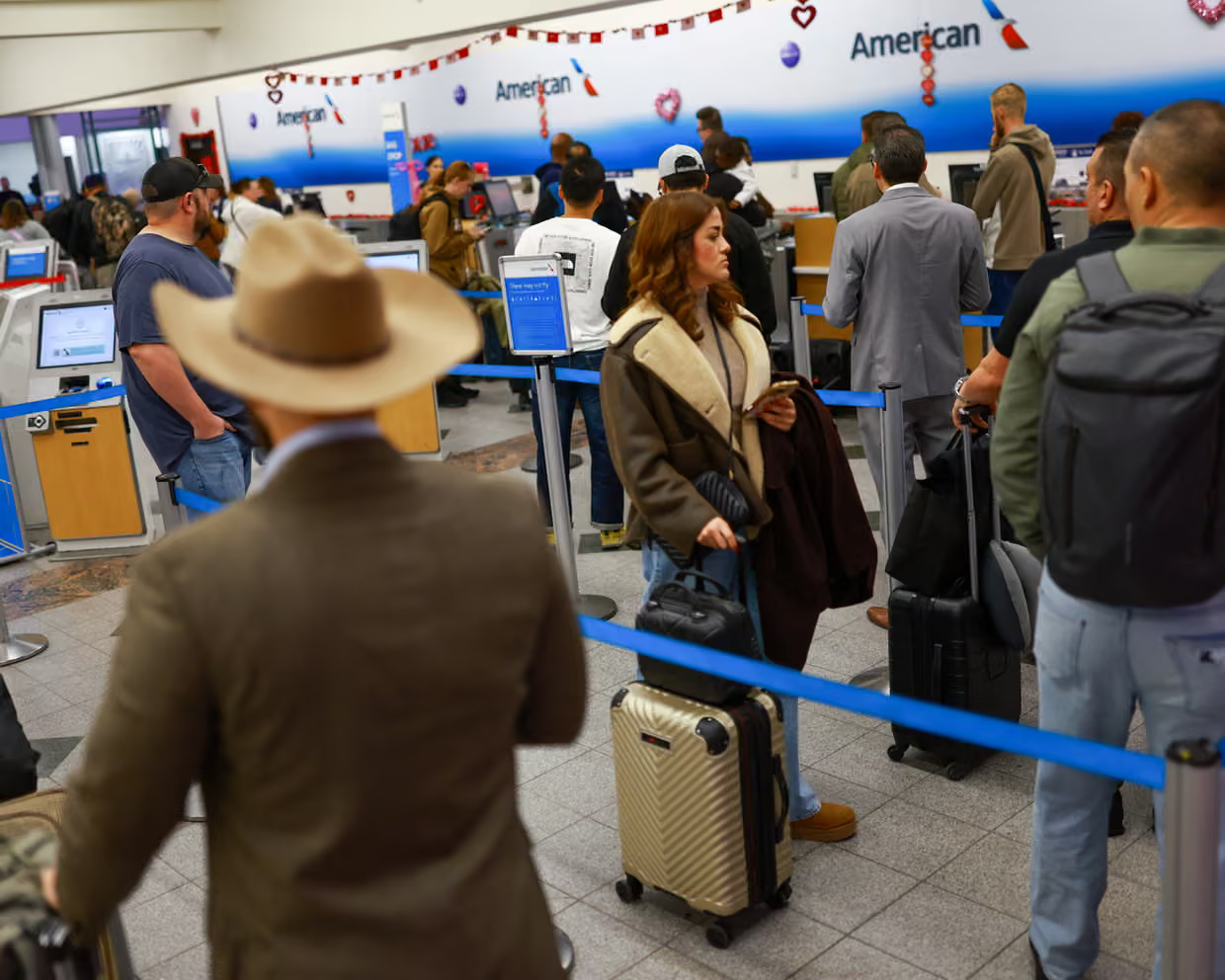
The Federal Aviation Administration (FAA) reversed its decision to close airspace around El Paso International Airport just hours after issuing a Notice to Airmen (NOTAM) citing security concerns, announcing Wednesday morning that all commercial flights would resume normal operations immediately.
The unexpected reversal followed an earlier announcement that had closed the El Paso International Airport (ELP) airspace through at least February 20 due to unspecified “security” reasons, affecting one of West Texas’ busiest aviation facilities serving more than 4 million passengers annually. The FAA’s rapid policy change came after initial confusion and concern among travelers, airlines, and airport officials regarding the sudden airspace restrictions.
FAA Confirms No Commercial Aviation Threat
“There is no threat to commercial aviation,” the FAA stated via social media Wednesday morning, providing reassurance to the traveling public and aviation industry stakeholders. “All flights will resume as normal.”
The clarification addressed widespread concern following the original NOTAM that had established a 10-mile restricted area around El Paso International Airport, excluding Mexican airspace within that radius. The brief closure had immediately affected multiple major U.S. carriers operating from the facility, including Alaska Airlines, American Airlines, Delta Air Lines, Southwest Airlines, and United Airlines—all of which maintain regular service connecting El Paso to domestic destinations across the United States.
Original Security-Related Closure Created Uncertainty
The initial FAA notice issued early Wednesday morning cited “temporary flight restrictions for special security reasons” without providing detailed explanation or specific threat information. This lack of clarity generated immediate questions from airport authorities, airline operators, and passengers with booked travel through El Paso International Airport during the affected period.
Airport officials reported receiving the closure notification on extremely short notice from federal aviation authorities, stating the directive “appears to be security related” based on the limited information provided in the official FAA communication. The sudden nature of the restriction, combined with minimal explanation, created operational challenges for airlines managing flight schedules, crew assignments, and passenger accommodations.
The restricted airspace designation encompassed a 10-mile radius surrounding El Paso International Airport while specifically exempting Mexican airspace within that area—a detail reflecting the airport’s proximity to the U.S.-Mexico border at Ciudad Juárez. This geographical consideration highlighted the complex airspace management required in border regions where international boundaries intersect with aviation operations.
Impact on West Texas’ Primary Aviation Gateway
El Paso International Airport serves as the busiest commercial aviation facility in West Texas, functioning as a critical transportation hub connecting the region to major cities nationwide. The airport’s annual passenger traffic exceeding 4 million travelers underscores its regional importance for both business travel and leisure tourism, making any operational disruptions particularly significant for local economy and connectivity.
The facility’s carrier mix includes comprehensive service from major U.S. airlines providing connections to hub airports and popular destinations. While predominantly focused on domestic routes, the airport’s strategic location near the Mexican border positions it as an important gateway for cross-border travel, business connections, and family visits between the United States and Mexico.
The majority of El Paso International’s flight operations consist of domestic services linking West Texas communities to airline hub cities including Dallas, Houston, Phoenix, Denver, and Los Angeles. These connections provide essential access for business travelers, tourists visiting the region’s attractions, and local residents traveling nationwide for personal and professional purposes.
Alternative Airport Options During Brief Closure
During the brief closure period, travelers potentially affected by the airspace restriction would have needed alternative airport options. Albuquerque International Sunport (ABQ), located approximately 270 miles north of El Paso in New Mexico, represented the closest major international airport facility capable of handling diverted passengers and rescheduled flights.
Tucson International Airport (TUS) in Arizona, situated roughly 320 miles west of El Paso, offered another alternative for travelers willing to drive significant distances or arrange ground transportation to reach functioning commercial aviation facilities. These distance considerations illustrated the potential inconvenience and disruption that extended airspace closures create for regional travelers dependent on specific airport facilities.
The geographic isolation of El Paso International Airport within the broader Southwest U.S. aviation network meant that closure would have created substantial hardship for passengers, particularly those traveling for time-sensitive business meetings, medical appointments, or family emergencies requiring reliable air transportation access.
Rapid Resolution Minimizes Disruption
The FAA’s swift reversal of the closure decision prevented extended operational disruptions that would have affected thousands of passengers, created significant airline scheduling challenges, and potentially impacted regional economic activity dependent on reliable air connectivity. The quick resolution demonstrates aviation authorities’ ability to rapidly reassess security situations and adjust restrictions when circumstances change.
Airlines operating from El Paso International Airport were able to maintain normal flight schedules without implementing extensive rebooking procedures, crew reassignments, or aircraft repositioning that extended closures would have necessitated. Passengers with Wednesday flights avoided cancellations, delays, or forced itinerary changes that would have resulted from prolonged airspace restrictions.
The incident highlights the delicate balance federal aviation authorities must maintain between security precautions and operational continuity. While passenger safety and national security remain paramount concerns justifying temporary restrictions when warranted, minimizing unnecessary disruption to commercial aviation operations protects both travelers and the broader economy dependent on reliable air transportation networks.
Coordination Between Federal and Local Authorities
The situation demonstrated coordination mechanisms between federal aviation regulators, local airport authorities, and commercial carriers during security-related incidents. Despite limited initial information, airport officials and airline operators responded professionally to federal directives while seeking clarification and managing passenger communications during the uncertain period.
This interagency cooperation ensures that when genuine security concerns arise requiring airspace restrictions, appropriate authorities can implement necessary measures rapidly while maintaining communication channels that facilitate informed decision-making and timely resolution when circumstances permit operational resumption.
Lessons for Future Security Events
The brief El Paso International Airport closure provides insights into aviation security protocols, emergency response procedures, and the importance of clear communication during rapidly evolving situations. While the incident resolved quickly with minimal lasting impact, it underscores ongoing challenges balancing security vigilance with operational efficiency in contemporary commercial aviation.
Federal authorities’ willingness to reverse restrictions promptly when threat assessments change demonstrates adaptive security management that prioritizes both safety and operational continuity. This flexibility allows aviation security systems to respond proportionally to evolving situations rather than maintaining rigid restrictions beyond necessary timeframes.
For real-time updates on aviation industry developments, airport operations, and travel advisories affecting commercial flights, follow The Inspiring Insight for comprehensive coverage of airline news, FAA regulations, and breaking developments impacting travelers across North America and international destinations.