
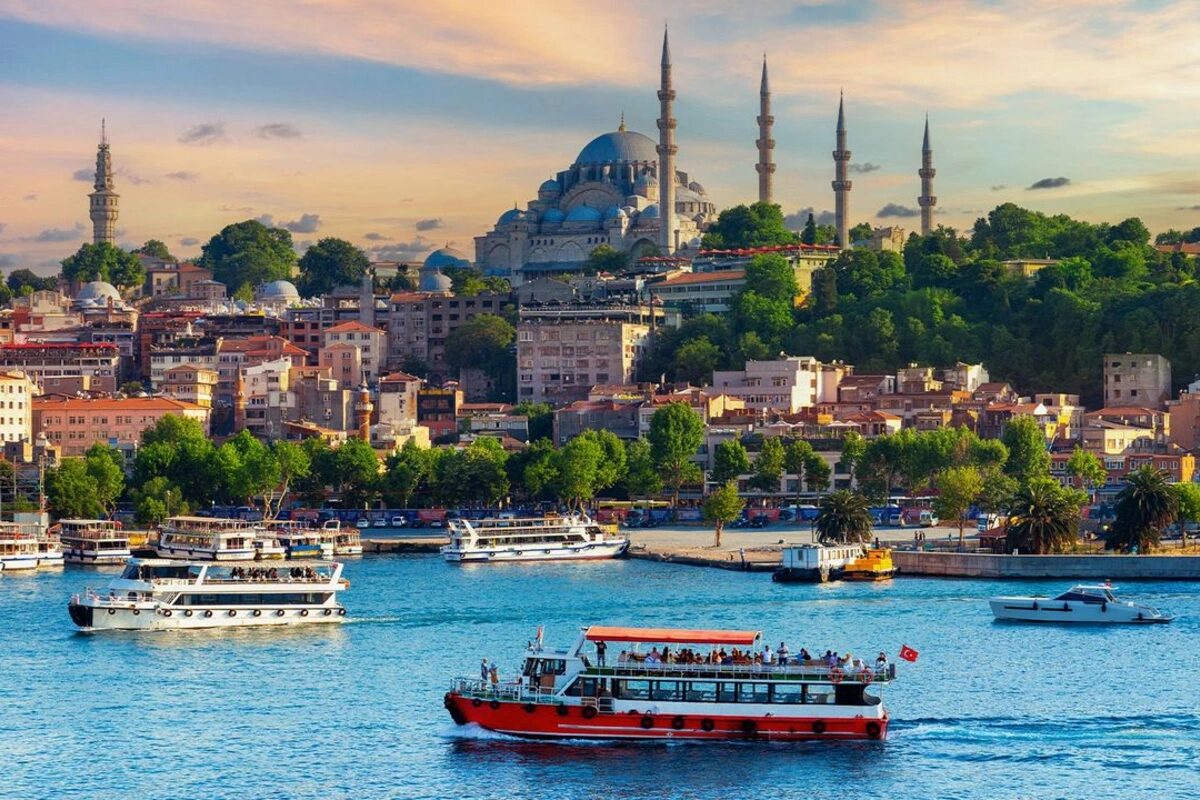
Türkiye’s tourism sector achieved unprecedented success in 2025, welcoming sixty-four million international visitors while generating record-breaking revenue of $65.2 billion, representing a 3% increase in arrivals and 7% growth in tourism earnings that cement the nation’s position as the world’s fourth-most visited destination.
This exceptional performance reflects strategic convergence of factors including Türkiye’s diverse cultural attractions, targeted marketing campaigns, and successful hosting of major international events. Despite facing regional geopolitical challenges, Türkiye’s tourism resilience has strengthened its standing as a premier global tourism hub, demonstrating the sector’s remarkable adaptability and economic significance.
Demonstrating Sector Resilience Amid Regional Tensions
Despite challenges stemming from ongoing geopolitical tensions in neighboring regions, Türkiye’s tourism industry has exhibited extraordinary resilience and adaptive capacity. Even confronting external pressures, the sector has demonstrated its ability to weather crises effectively, highlighting robust infrastructure and strategic planning. The sustained growth trajectory reflects coordinated efforts from both public agencies and private sector stakeholders to stabilize and expand the tourism market systematically.
With this impressive performance, tourism industry representatives maintain optimistic projections for 2026, anticipating the sector will build upon 2025’s achievements to reach even higher visitor numbers and revenue milestones. This confidence stems from proven crisis management capabilities and diversified tourism offerings that appeal to international travelers across multiple segments.
Extending Tourism Seasons Through Strategic Diversification
One critical strategy driving this remarkable growth involves Türkiye’s deliberate focus on extending the tourism season well beyond traditional summer months. While historically renowned for Mediterranean beach resorts attracting summer vacationers, the country now emphasizes promoting off-season travel opportunities through diversified tourism experiences.
This strategic shift is being accomplished by developing and promoting various niche tourism segments, including sports tourism, international conferences, winter tourism, wellness retreats, and cultural experiences. These targeted efforts distribute tourists across different regions throughout the year, providing balanced visitor flow while reducing traditional seasonal dependency on peak summer periods.
The approach not only maximizes tourism infrastructure utilization year-round but also creates more sustainable employment opportunities for hospitality workers and service providers. Regional tourism destinations beyond coastal areas benefit significantly from this distributed approach, promoting economic development across Türkiye’s diverse geography.
International Events Drive Year-Round Visitor Traffic
A fundamental component of this diversification strategy involves capitalizing on high-profile international events and conferences. Antalya, one of Türkiye’s most popular Mediterranean resort destinations, continues playing a pivotal role in this strategic plan. Ranked consistently among the world’s top ten tourist cities, Antalya has evolved into a hub for global diplomacy, business conferences, and international collaboration.
The city hosts prominent events including the Antalya Diplomacy Forum, bringing together world leaders and policy makers; the International Astronautical Congress, attracting aerospace professionals globally; and the upcoming COP31 climate conference scheduled for 2026, which will draw environmental leaders, scientists, and delegates worldwide. These marquee events attract substantial visitor numbers during off-peak seasons while simultaneously enhancing Türkiye’s global reputation as a center for international dialogue and cooperation.
Beyond large-scale conferences, Türkiye is investing strategically in smaller, specialized events catering to specific tourist interests. These include international sports tournaments, cultural festivals, music events, culinary celebrations, and industry-specific conferences. These diverse events are expected to further broaden the tourist demographic base and contribute to steady visitor streams throughout all seasons.
Capitalizing on Cultural Heritage and Geographical Diversity
Türkiye’s exceptionally diverse offerings constitute another significant factor driving tourism sector growth. The country’s rich historical heritage, combined with spectacular geographical beauty, presents compelling attractions for travelers from every continent. Ancient sites like the ruins of Ephesus and Troy offer historical insights, while natural wonders including Cappadocia’s unique rock formations and Pamukkale’s travertine terraces provide unforgettable visual experiences.
This remarkable diversity enables the tourism industry to appeal to broad market segments, accommodating different traveler types—from culture enthusiasts and history buffs to adventure seekers and relaxation-focused vacationers. The multifaceted tourism approach ensures Türkiye can satisfy growing global demand for varied travel experiences while positioning itself distinctively in competitive international tourism markets.
The country’s unique position bridging Europe and Asia creates additional appeal, offering visitors access to diverse cultural influences, culinary traditions, architectural styles, and regional experiences within a single destination. This geographical and cultural convergence provides unparalleled value for international tourists seeking comprehensive travel experiences.
Infrastructure Development Supports Sustainable Tourism Growth
Türkiye’s continued investment in tourism infrastructure plays a crucial role in supporting sector expansion. Modernization of airports, enhancement of transportation networks, development of accommodation facilities, and improvement of tourist services collectively contribute to elevated visitor experiences and increased capacity for international arrivals.
Strategic partnerships with international airlines have expanded direct flight connectivity, making Türkiye more accessible from key source markets across Europe, Asia, Middle East, and increasingly from Americas and Africa. These connectivity improvements reduce travel friction and position Türkiye competitively against other Mediterranean and Middle Eastern destinations.
Digital tourism initiatives, including enhanced online booking platforms, virtual tourism experiences, and mobile applications providing tourist information, are modernizing visitor engagement and improving service delivery. These technological enhancements appeal particularly to younger demographics and digitally-savvy travelers expecting seamless digital experiences.
Strengthening Global Tourism Profile Through Strategic Marketing
Looking ahead, Türkiye’s tourism strategy focuses on ensuring continued growth by further enhancing global brand recognition and destination appeal. Hosting prestigious international events while continuing to promote unique historical, cultural, and natural attractions will remain central to these efforts. The strategic objective involves solidifying Türkiye’s position as a leading tourism destination, attracting visitors from all global regions while diversifying source markets.
By leveraging its advantageous position as a bridge between continents, Türkiye aims to enhance visibility as a premier global tourism hub, attracting not only leisure travelers but also business delegations, diplomatic missions, and special interest groups. This comprehensive approach addresses multiple tourism segments simultaneously, creating resilient revenue streams less vulnerable to market fluctuations in any single segment.
Targeted marketing campaigns emphasize Türkiye’s safety, hospitality traditions, value proposition, and diverse experiences available. These campaigns are customized for different source markets, acknowledging cultural preferences and travel motivations vary significantly across regions. This localized marketing approach has proven effective in attracting first-time visitors while encouraging repeat visitation.
Economic Impact and Future Outlook
The tourism sector’s exceptional performance contributes substantially to Türkiye’s overall economic development, providing employment for millions, generating foreign currency earnings, and supporting numerous ancillary industries. As the country continues investing in infrastructure enhancement, tourism service quality improvement, and strategic international partnerships, Türkiye’s tourism sector is positioned to remain a cornerstone of economic growth.
The strategic approach of distributing tourism across various regions and seasons helps mitigate seasonal fluctuation effects, creating more stable employment and revenue patterns. Simultaneously, high-profile international events maintain Türkiye’s presence on the global tourism radar as a must-visit destination offering both traditional attractions and contemporary experiences.
Industry stakeholders anticipate 2026 will extend the growth trajectory established in 2025, with projections suggesting potential to approach or exceed seventy million international visitors. This optimistic outlook is grounded in confirmed major event bookings, expanding international flight connectivity, continued infrastructure improvements, and sustained global interest in cultural tourism experiences.
Stay current with comprehensive coverage of global tourism trends, destination insights, and industry developments at The Inspiring Insight, where we deliver expert analysis on tourism economics, travel market dynamics, and emerging destination opportunities transforming the international tourism landscape.