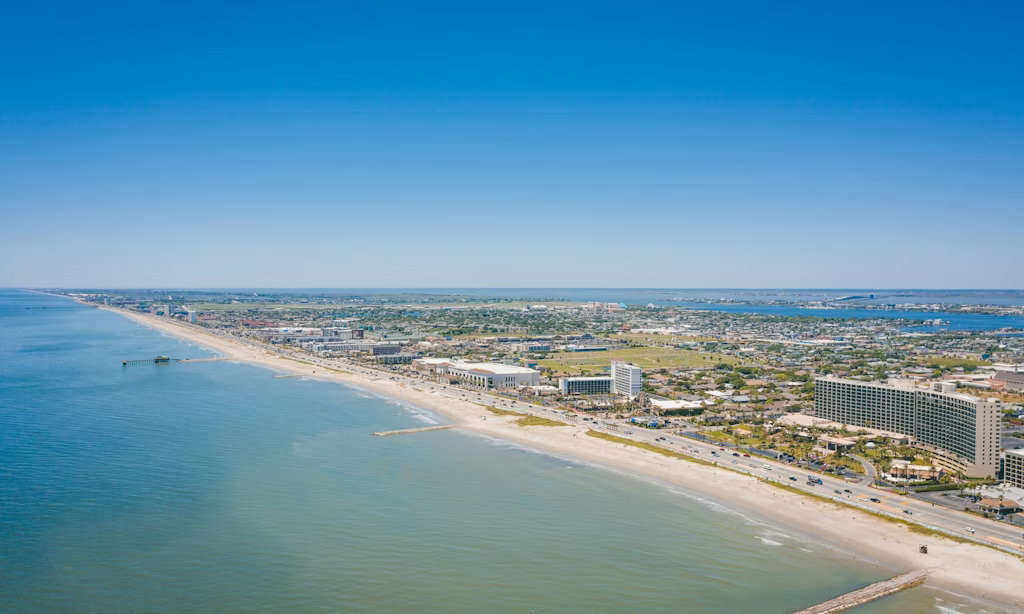
While Texas earns recognition for cowboy heritage and metropolitan centers like Dallas and Houston, the state’s Gulf Coast offers unexpected attractions that rival its inland fame. The Galveston Seawall, stretching 10.3 miles along the barrier island’s shoreline, holds the Guinness World Record as America’s longest continuous pedestrian walkway—a distinction that draws visitors to this historic coastal destination. Built following the catastrophic 1900 Galveston hurricane that claimed thousands of lives, this engineering marvel has evolved from emergency flood protection into a vibrant recreation corridor offering beaches, entertainment venues, dining establishments, and scenic ocean views that define the Galveston Island experience for millions of annual visitors.
The Galveston Seawall history represents both tragic resilience and triumphant reconstruction, transforming from disaster response infrastructure into one of Texas Gulf Coast attractions that exemplifies how communities rebuild stronger while honoring the past.
The Historic Origins of Galveston Seawall
The 1900 Galveston hurricane remains the deadliest natural disaster in United States history, with estimated death tolls ranging from 6,000 to 12,000 people. The catastrophic tidal surge that accompanied the hurricane completely overwhelmed the low-lying barrier island, destroying thousands of structures and fundamentally altering the community’s future.
In response to this devastation, city leaders and engineers developed an ambitious plan combining grade raising—elevating the island’s surface level using hydraulic dredging—with construction of a massive protective seawall. The first Galveston Seawall construction phase was completed in 1904, creating a concrete barrier extending more than 3 miles and standing 17 feet tall along the Gulf-facing shoreline.
This initial structure represented cutting-edge engineering for its era, employing curved cross-sections designed to deflect wave energy rather than simply resisting it through mass. The seawall’s graceful concave face redirects storm surge upward, dissipating destructive force while minimizing erosion of the foundation.
Subsequent expansions occurred in multiple phases as funding became available and the protective benefits became evident. The seawall grew incrementally, with major additions in the 1920s, 1950s, and 1960s, eventually reaching its current length of 10.3 miles. Each extension employed similar engineering principles while incorporating improvements based on performance observations during intervening storms.
Galveston Mayor Craig Brown articulated the structure’s significance to FOX26 Houston: “The seawall stands for not only an engineering excellence that took place, but it stands for the resilience… and the strength of Galveston.” This perspective captures how the barrier transcended purely functional purposes to become a symbol of community determination and survival.
The Galveston grade raising project that accompanied seawall construction proved equally ambitious, elevating more than 500 city blocks by as much as 17 feet using sediment pumped from Galveston Bay. Buildings were lifted on jacks while fill material was placed beneath them—an extraordinary engineering undertaking that fundamentally reshaped the island’s topography.
Galveston Seawall Beaches and Water Activities
Today, the protective infrastructure supports extensive recreational uses that make it a premier destination. The Seawall beaches Galveston stretch along the entire concrete barrier, offering convenient beach access from numerous points along the walkway. These beaches provide the quintessential Gulf Coast experience with warm waters, gentle waves, and soft sand that appeals to families, sunbathers, and water sports enthusiasts.
Swimming Galveston Seawall beaches proves popular year-round, though peak season extends from late spring through early fall when water temperatures reach their warmest. The gradual slope and typically moderate wave action create relatively safe swimming conditions, though visitors should always observe posted warnings and respect lifeguard instructions when towers are staffed.
Surfing Galveston offers opportunities despite the Gulf Coast’s generally smaller waves compared to ocean coastlines. Galveston.com identifies several productive surf breaks, particularly near the Pleasure Pier where pier pilings create wave refraction that enhances surf quality. Additional recommended spots exist between the 37th and 61st Street jetties, where rock structures produce similar wave-focusing effects.
While Galveston surfing won’t match the powerful breaks found on Pacific or Atlantic coasts, the consistent small-to-moderate waves prove ideal for learning, longboarding, and casual sessions. Local surf shops provide equipment rentals and lessons for those wanting to experience Gulf Coast wave riding.
Beyond swimming and surfing, the beaches support various water activities including bodyboarding, stand-up paddleboarding, kayaking, and kiteboarding when wind conditions permit. The warm, calm Gulf waters create inviting environments for water recreation accessible to participants of all skill levels.
Biking, Running, and Active Recreation on the Seawall
The 10-mile pedestrian walkway serves as premier infrastructure for active recreation. Biking Galveston Seawall ranks among the most popular activities, with the flat, paved surface and ocean views creating ideal cycling conditions. The dedicated path separates cyclists from vehicle traffic, enhancing safety while providing uninterrupted riding for the entire length.
Multiple Galveston bike rental shops serve the Seawall corridor, offering diverse equipment options. Coastal Bike Rentals Galveston provides particularly extensive inventory including e-bikes that make the full 10-mile distance manageable for riders of varying fitness levels, scooters for alternative transportation, surrey bikes accommodating groups or families, and traditional beach cruisers for classic coastal cycling.
The availability of electric-assist bikes has democratized access to the full Seawall experience, enabling visitors who might find 10 miles of pedaling challenging to nonetheless enjoy extended rides with ocean breezes and scenic views. These rentals typically operate on hourly or daily rates, with many shops offering delivery to hotels or vacation rentals.
Running Galveston Seawall attracts both local fitness enthusiasts and visiting runners seeking scenic workout environments. The concrete surface provides firm, consistent footing superior to soft sand for distance running, while the Gulf views and sea breezes create pleasant conditions even during warm weather. The measured distance allows runners to accurately track mileage, and the out-and-back format enables customized distances based on fitness levels and time availability.
Inline skating and rollerblading also suit the smooth, continuous surface, though these activities appear less common than cycling or running. The walkway’s width accommodates multiple user types simultaneously, though courtesy and awareness help ensure positive experiences for everyone sharing the space.
Galveston Island Historic Pleasure Pier Attractions
Among Seawall highlights, the Galveston Island Historic Pleasure Pier stands out as a major entertainment destination. This amusement pier extends over Gulf waters, housing carnival rides, midway games, and food vendors that create classic seaside entertainment atmospheres.
The Pleasure Pier Galveston features various attractions including roller coasters, a Ferris wheel offering spectacular coastal views, swing rides, bumper cars, and numerous family-friendly options suitable for children. Ride tickets can be purchased individually or through unlimited ride wristbands that prove economical for extended visits.
Beyond mechanical attractions, the pier hosts midway games of chance and skill where participants can win prizes, creating carnival atmospheres that appeal particularly to families with children. Food stands and concession vendors offer traditional fair foods including funnel cakes, corn dogs, cotton candy, and various fried options that complete the classic amusement pier experience.
The pier’s Gulf-side location provides spectacular sunset views and cooling sea breezes that enhance the experience, particularly during summer months when inland areas grow uncomfortably hot. Evening visits offer illuminated rides and different atmospheric qualities than daytime pier experiences.
Admission to the pier itself is typically free, with charges applying only to individual rides or wristband purchases. This allows visitors to stroll the structure, enjoy views, and experience the atmosphere even without participating in rides.
Dining and Nightlife Along the Seawall
The Seawall corridor supports diverse dining establishments ranging from casual beachside cafés to upscale seafood restaurants. BLVD Seafood Galveston earned distinction as the city’s first boat-to-table restaurant according to Visit Galveston, sourcing seafood directly from local fishing vessels to ensure freshness and support the regional fishing economy.
The BLVD Seafood menu emphasizes New American cuisine with seafood focus, featuring Gulf-caught fish, shrimp, oysters, and crab prepared with contemporary techniques and flavor profiles. The restaurant’s commitment to direct sourcing creates connections between diners and local maritime industries while ensuring premium quality ingredients.
Bar scene Galveston Seawall offers various options for evening entertainment and cocktails. Pelican & The Shark holds top Yelp ratings among bars near the Seawall, serving frozen tropical drinks, craft cocktails, and beers while providing fantastic Gulf views from its pier location. The bar’s elevated position creates breezy, open-air drinking environments particularly appealing during warm evenings.
Additional dining options span the full spectrum from quick-service beach snacks to sit-down restaurants featuring diverse cuisines including Mexican, Italian, American, and Asian fusion. This variety ensures that visitors can find suitable options regardless of preferences, dietary restrictions, or budget considerations.
Many Seawall restaurants feature outdoor seating or patio areas that maximize Gulf views and ocean breezes. These al fresco dining experiences embody the coastal lifestyle, allowing guests to enjoy meals while watching waves, observing beach activities, and experiencing the sensory environment that defines Galveston’s character.
Shopping and Historic Sites Along the Walkway
Retail opportunities complement recreational activities along the Seawall. Murdochs gift shop Galveston occupies a building with remarkable history, first constructed in the late 1800s and subsequently rebuilt multiple times following storm damage. Reconstructions in 1901, 1909, 1915, and 2008 demonstrate both the recurring threat of coastal storms and the community’s persistent commitment to historic preservation.
Today, Murdochs operates as a popular souvenir destination offering beach-themed merchandise, local products, and Texas memorabilia that provide tangible vacation memories. The building’s back deck offers excellent Gulf views, creating a pleasant shopping environment that extends beyond simple retail transactions.
The structure itself represents tangible connection to Galveston history, having witnessed more than a century of coastal life including the devastating 1900 hurricane that preceded seawall construction. This historical context adds depth to what might otherwise be merely functional shopping.
Additional retail establishments along the Seawall include surf shops selling equipment and beachwear, convenience stores providing snacks and beach supplies, art galleries featuring local artists, and specialty boutiques offering unique products unavailable in typical tourist shops.
Alternative Beach Destinations: Jamaica Beach
For visitors seeking respite from Seawall crowds, Jamaica Beach Galveston on the island’s western end offers quieter alternatives. This uncrowded beach Galveston provides similar Gulf Coast experiences—warm water, soft sand, beach activities—without the commercial development and visitor density that characterizes the Seawall area.
Jamaica Beach appeals particularly to those prioritizing relaxation over entertainment, families with young children seeking calmer environments, and visitors wanting more authentic, less touristy coastal experiences. The reduced development means fewer immediate amenities but greater natural character and peaceful atmospheres.
The beach community features vacation rentals, small restaurants, and limited retail but maintains residential rather than tourist-oriented character. This authenticity attracts visitors weary of overdeveloped resort areas, offering genuine island living experiences rather than manufactured vacation environments.
Access to Jamaica Beach typically requires personal vehicles, as public transportation and ride-sharing services provide less coverage than in the Seawall district. This transportation barrier contributes to lower visitor numbers while creating minor inconvenience for those without cars.
Planning Your Galveston Seawall Visit
Optimal visiting strategies depend on priorities and preferences. Summer months bring warmest weather and water temperatures but also largest crowds and highest accommodation prices. Spring and fall shoulder seasons offer comfortable conditions with fewer visitors and better value, though Gulf water temperatures may be cooler.
Winter visits appeal to those seeking solitude and mild weather escapes from colder climates, though some attractions may operate on reduced schedules and water activities become less appealing due to cooler temperatures.
Parking along the Seawall utilizes both metered street spaces and paid lots. During peak periods, arriving early secures better parking positions closer to desired activities. Some visitors prefer utilizing bike rentals to avoid parking concerns entirely, as bicycles provide efficient transportation along the entire Seawall length.
Accommodation options range from beachfront hotels with Seawall views to budget motels blocks inland and vacation rentals offering more space for families or groups. Booking well in advance for summer weekends and holidays ensures availability and better rates.
Understanding Galveston Beyond the Seawall
While the Seawall represents Galveston’s most iconic feature, the island offers additional attractions warranting exploration. The Historic Strand District features 19th-century architecture housing galleries, restaurants, and shops. Moody Gardens provides botanical gardens, aquariums, and a rainforest pyramid. The Texas Seaport Museum explores maritime heritage.
These diverse offerings enable multi-day itineraries that balance beach recreation with cultural and historical exploration, appealing to visitors seeking comprehensive island experiences beyond simple beach vacations.
The Galveston Seawall stands as testament to human resilience and engineering innovation, transforming from emergency infrastructure into beloved recreational resource. Whether cycling the full 10 miles, surfing Gulf waves, dining on fresh seafood, or simply enjoying ocean views, visitors experience both historical significance and contemporary coastal pleasures along this remarkable structure.
For travelers exploring Texas coastal destinations, seeking engineering marvels, or planning Gulf Coast vacations, the Galveston Seawall offers unique combinations of history, recreation, and scenic beauty unmatched by typical beach destinations.
To explore additional travel insights, destination guides, and expert perspectives on remarkable locations throughout Texas and beyond, The Inspiring Insight provides comprehensive resources for planning memorable journeys. Visit our travel section for inspiration and practical advice that enhances every adventure.