
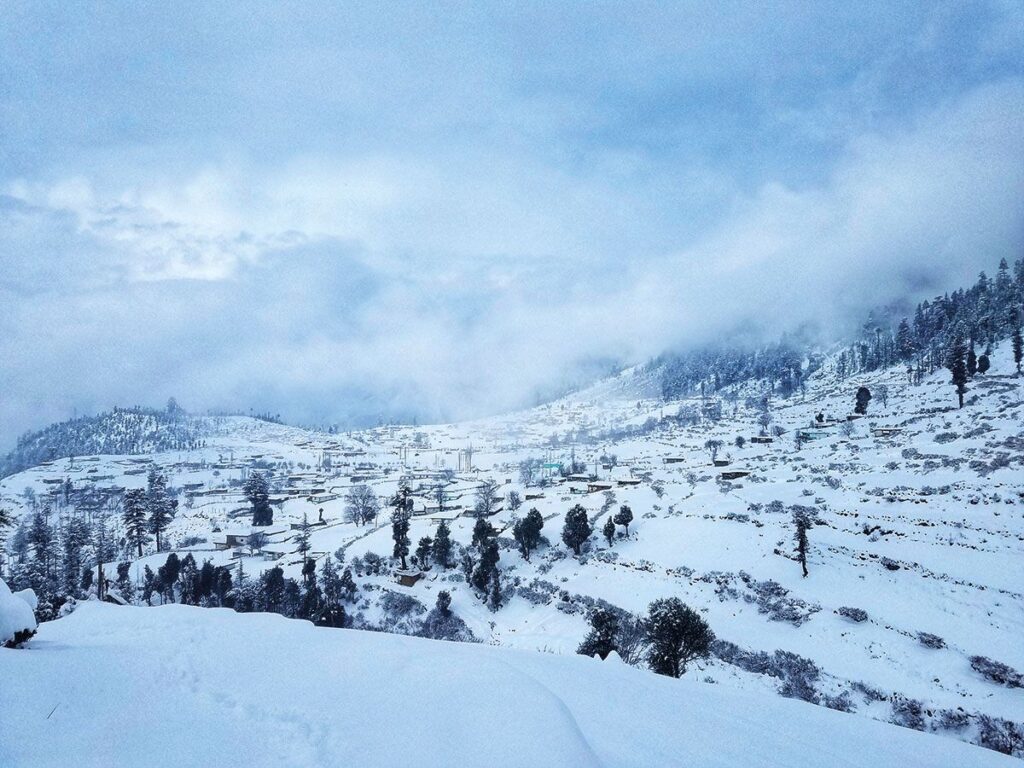
In the high-altitude reaches of Khyber Pakhtunkhwa, there is a transformation that occurs every January—a transition from a landscape of lush greens and rushing blue rivers to a silent, crystalline world of white. In early 2026, this “Winter Spell” has taken hold of Malakand with a particular intensity, turning the region’s alpine lakes and peaks into a scene that feels less like a travel destination and more like a fever dream of the sublime. As reported by The Nation, the heavy snowfall of late January has draped the Malakand Division in a thick white blanket, casting a hypnotic spell that is drawing thousands of tourists, adventurers, and photographers to its frozen shores.
This remarkable winter phenomenon represents more than just seasonal weather—it signals Malakand’s emergence as Pakistan’s premier winter tourism destination, rivaling established snow destinations across Asia. The 2026 winter season has brought unprecedented snowfall, transforming familiar landscapes into breathtaking frozen wonderlands that captivate visitors from around the world.
The Mirror of the North: Lakes Frozen in Time
The centerpiece of the Malakand winter experience is its high-altitude lakes. Under the weight of the 2026 winter, famous bodies of water like Mahodand and the smaller, more remote alpine ponds have begun to freeze over.
The sight is ethereal: the deep turquoise of the summer water has been replaced by a sheet of ice, often translucent enough to reveal the depths beneath, yet strong enough to be dusted with powdery snow. Surrounding these lakes, the cedar and pine forests of the Swat and Dir valleys stand like frozen sentinels, their branches heavy with “snow-mohawks” that occasionally release plumes of white dust into the crisp air.
Mahodand Lake: The Crown Jewel
Mahodand Lake, located at approximately 2,865 meters elevation, presents one of Pakistan’s most spectacular winter scenes. The lake’s transformation from sparkling blue summer waters to a vast frozen expanse creates photographic opportunities that attract professional photographers and Instagram enthusiasts alike.
The surrounding mountains, covered in pristine snow, reflect off the ice surface during sunny days, creating mirror-like effects that seem almost surreal. Local guides report that the ice thickness in 2026 has reached levels not seen in several years, making it safe for visitors to walk on designated areas under proper supervision.
A Surge in Spirit: The Tourist Influx
Despite the plummeting temperatures—often dropping well below zero at night—the spirit of the visitors remains high. In towns like Kalam, Malam Jabba, and Miandam, the local economy is humming with the arrival of travelers from across Pakistan and abroad.
Winter Sports Revolution
Winter Sports: Malam Jabba has seen a record turnout for its skiing and snowboarding slopes. The 2026 season has benefitted from a “perfect” snow consistency, allowing even beginners to enjoy the thrill of the descent.
The Malam Jabba Ski Resort, Pakistan’s only fully operational ski resort, reports booking increases of over 60% compared to previous winters. The resort’s infrastructure improvements, including upgraded ski lifts, expanded beginner slopes, and professional instruction services, have made winter sports more accessible to Pakistani families and international visitors.
Snowboarding, previously a niche activity, has exploded in popularity among younger Pakistani tourists, with rental equipment frequently sold out during peak weekends. The resort has responded by expanding its equipment fleet and offering group lessons tailored to first-time participants.
Gastronomy in the Cold: Warming Body and Soul
Gastronomy in the Cold: The human element of this winter spell is found in the local eateries. Tourists huddle around traditional tandoors (clay ovens), enjoying steaming plates of Chappli Kabab and cups of hot, salt-laden Kashmiri Chai.
It is this contrast—the biting cold of the outdoors and the overwhelming warmth of Pathan hospitality—that defines the Malakand experience. Local restaurants in Kalam and Miandam have extended their hours to accommodate the surge in visitors, serving traditional Pashtun cuisine alongside comfort foods that provide essential warmth after hours spent exploring snowy landscapes.
Street vendors offer roasted chestnuts, corn, and sweet potatoes—simple pleasures that enhance the winter experience. The aroma of wood smoke mixed with cooking spices creates an atmosphere that visitors describe as quintessentially Pakistani winter.
Humanizing the Wild: The Resilience of Locals
While tourists come to witness the beauty, for the residents of Malakand, the snow is a test of resilience. The “Winter Spell” brings challenges to infrastructure and mobility. However, the local community has mastered the art of winter.
From the skilled drivers who navigate the slippery, winding roads of the Shangla Pass to the hotel owners who ensure their guests stay warm with traditional wood-fired heaters, the people of Malakand are the true architects of this winter paradise.
Community Adaptation and Joy
There is a communal sense of joy when the snow falls; for farmers, it is “white gold” that ensures the replenishment of groundwater for the coming spring. Snowmelt from Malakand’s mountains feeds agricultural regions throughout Khyber Pakhtunkhwa, making winter precipitation essential for the province’s food security.
Local children embrace the snow with enthusiasm, transforming village squares into impromptu sledding hills and snowball battlegrounds. This celebration of winter represents a cultural tradition passed through generations, reminding visitors that Malakand’s relationship with snow extends far beyond tourism.
Shopkeepers in Kalam and Bahrain stock up on winter essentials months in advance, ensuring visitors have access to warm clothing, gloves, and thermal gear. This preparation demonstrates the community’s professionalism and commitment to providing quality visitor experiences.
Navigating the 2026 Winter: A Travel Reality Check
If you are planning to answer the call of the Malakand mountains this season, the 2026 travel landscape requires a bit of preparation:
Safety Considerations
The “Black Ice” Warning: While the snow is beautiful, the roads can be treacherous. Local authorities have issued advisories for travelers to use tire chains when ascending toward Kalam.
The Swat Valley road network, though improved in recent years, presents challenges during heavy snowfall. Morning hours typically offer the safest driving conditions as overnight snow is cleared and surfaces are treated. Four-wheel drive vehicles are strongly recommended, and inexperienced drivers should consider hiring local drivers familiar with mountain roads in winter conditions.
Environmental Responsibility
Eco-Conscious Visiting: With the surge in tourism, there is a renewed plea from local environmentalists. The “frozen paradise” is fragile. Visitors are urged to take all litter back with them, as plastic waste trapped in the snow can contaminate the lakes during the spring thaw.
Environmental organizations in Swat have launched “Leave No Trace” campaigns specifically targeting winter tourists. Designated waste collection points have been established at popular viewpoints, and some tour operators now provide trash bags as part of their service packages.
The ecosystem surrounding Malakand’s alpine lakes supports unique flora and fauna adapted to harsh mountain conditions. Responsible visitors understand that preserving these natural attractions ensures future generations can enjoy them.
Accommodation Planning
Booking in Advance: Because of the “blockbuster” nature of this year’s snowfall, hotels in the Swat Valley are operating at nearly 90% capacity. It is no longer a region for “spontaneous” trips without a confirmed reservation.
Guest houses in Kalam, Malam Jabba, and surrounding areas recommend booking at least two weeks in advance during peak season (late December through February). Budget accommodations fill especially quickly, though mid-range and luxury options also see high demand.
Alternative accommodation options include homestays in smaller villages, which offer authentic cultural experiences while reducing pressure on major tourist centers. These options also distribute tourism revenue more broadly throughout the region.
Essential Winter Travel Tips
What to Pack: Successful Malakand winter trips require proper preparation. Essential items include:
- Thermal layers and waterproof outerwear
- Insulated boots with good traction
- Gloves, hats, and scarves
- Sunglasses for snow glare
- Sunscreen (UV reflection off snow intensifies exposure)
- Portable phone chargers (batteries drain faster in cold)
- Basic medications including altitude sickness remedies
Photography Tips: The winter landscapes of Malakand offer extraordinary photographic opportunities. Golden hour (sunrise and sunset) provides particularly stunning light conditions. Protect camera equipment from moisture and extreme cold, and bring extra batteries as performance diminishes in freezing temperatures.
Altitude Considerations: Malakand’s higher elevations can trigger altitude sickness in some visitors. Gradual ascent, adequate hydration, and listening to your body help prevent complications. Those with respiratory or heart conditions should consult physicians before traveling to high-altitude destinations.
Why Malakand? The Call of Frozen Beauty
In a world that feels increasingly fast and digital, the snow-blanketed lakes of Malakand offer a radical “unplugging.” When you stand on the edge of a frozen lake, surrounded by peaks that have stood for millennia, the silence is absolute. It is a place where you can hear your own breath and feel the weight of the earth.
Whether it’s the thrill of a ski run in Malam Jabba or the quiet contemplation of the sunset over a white-capped valley, Malakand in 2026 is a reminder that nature remains the world’s most powerful storyteller.
The region’s combination of accessible winter sports, dramatic natural beauty, authentic cultural experiences, and warm hospitality creates a destination that appeals to diverse traveler types. Families find safe activities for children, adventure seekers discover challenging terrain, and those seeking tranquility find endless peaceful vistas.
Malakand’s relatively undiscovered status compared to international snow destinations means visitors often have trails and viewpoints largely to themselves—a rarity in today’s crowded tourism landscape.
Final Thoughts: Pakistan’s Winter Wonderland Awaits
The 2026 Winter Spell that has transformed Malakand represents both a natural phenomenon and a cultural moment. As word spreads about the region’s spectacular frozen landscapes, Malakand is claiming its place among Asia’s premier winter destinations.
For Pakistani travelers, it offers a chance to discover extraordinary beauty within their own borders. For international visitors, it provides access to authentic mountain culture combined with stunning alpine scenery at a fraction of the cost of European or North American ski resorts.
The Khyber Pakhtunkhwa government’s investment in tourism infrastructure, combined with the dedication of local communities, has created conditions for sustainable tourism growth that benefits both visitors and residents.
As climate patterns shift and winter tourism evolves globally, Malakand stands positioned to become an increasingly important destination for those seeking genuine winter experiences. The 2026 season may be remembered as the turning point when the world discovered Pakistan’s frozen paradise.
For more comprehensive Pakistan travel guides, mountain destination insights, and adventure tourism recommendations, visit The Inspiring Insight where we provide expert coverage of emerging destinations worldwide. Stay informed with our detailed analysis of winter tourism, sustainable travel practices, and hidden gems that help you discover extraordinary places beyond mainstream tourism circuits.