
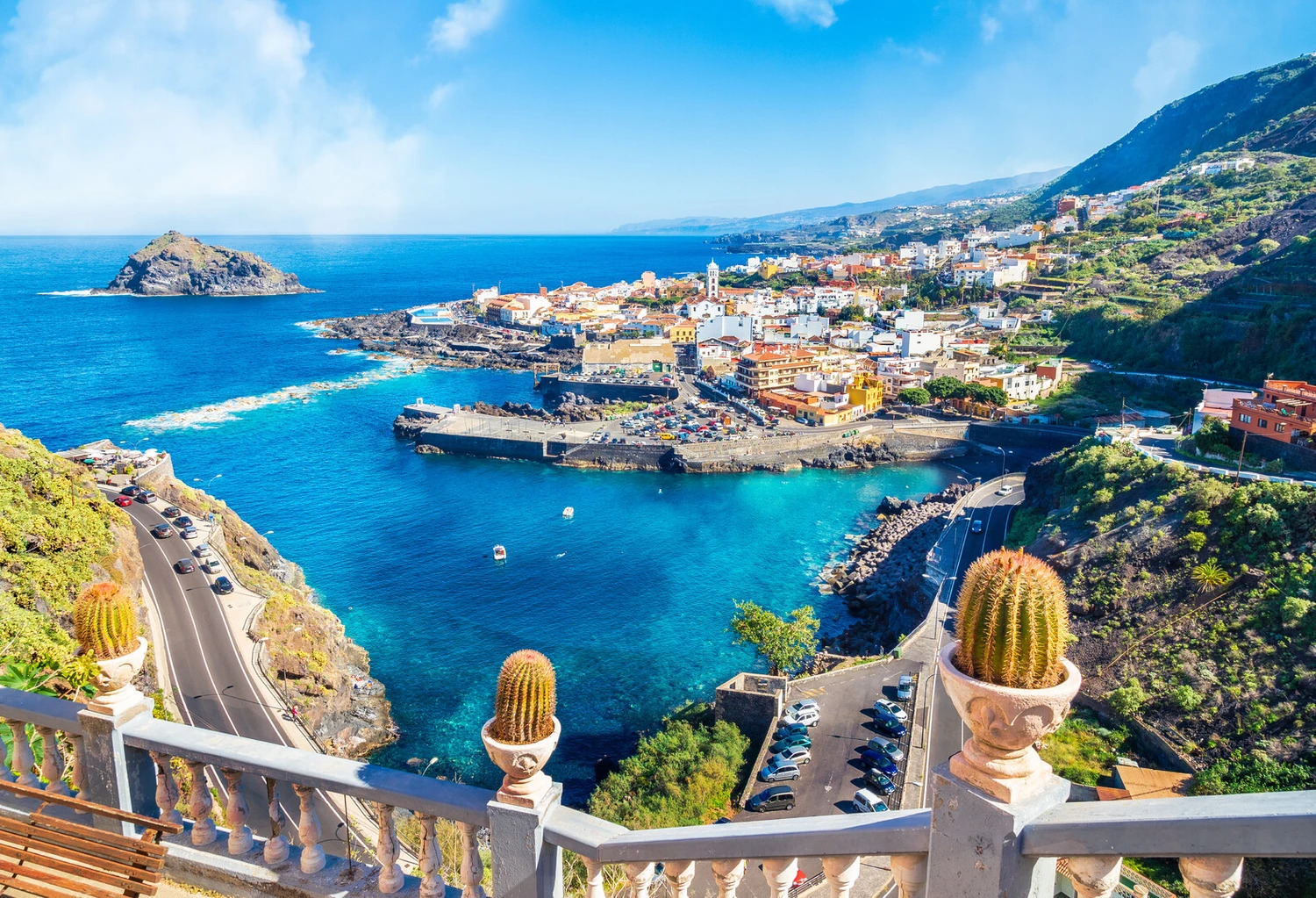
Southern Tenerife is celebrating forty years as the island’s foremost tourism destination, a status it has maintained since the mid-1980s when visitor flows began shifting from the northern regions. What started as a subtle change in holiday preferences has evolved into a defining transformation, reshaping the island’s economy, urban landscape, and international reputation. This remarkable journey from relatively undeveloped coastal territory to Spain’s premier beach resort area illustrates how strategic vision and sustained investment can fundamentally reshape a region’s destiny.**
The story of Southern Tenerife’s rise represents more than just tourism statistics and infrastructure development. It reflects changing European travel patterns, evolving vacation expectations, and the successful execution of long-term regional planning that balanced economic growth with destination quality.
A New Era Begins: The 1986 Turning Point
The year 1986 marked a turning point for Tenerife’s tourism landscape. While northern towns had long attracted visitors with their traditional charm, gardens, and temperate climate, the south emerged as the preferred choice for travellers seeking sun, sand, and modern resort experiences.
That year, visitor statistics reflected the shift, with more tourists staying in southern resorts than in northern towns for the first time—a clear signal that a new era had begun. This wasn’t a sudden overnight change but rather the culmination of gradual developments throughout the early 1980s that finally reached a tipping point.
European Tourism Trends Drive Change
This change mirrored wider European tourism trends. In the 1980s, package holidays were booming, charter flights expanded accessibility, and travellers increasingly sought destinations that offered both convenience and leisure-focused experiences. Southern Tenerife, with its reliable sunshine, open spaces, and growing network of modern facilities, quickly became a standout choice.
British, German, and Scandinavian tourists particularly embraced Southern Tenerife as their preferred winter sun destination. The region’s ability to guarantee warm weather during northern Europe’s coldest months created enormous appeal for travelers escaping gray winters.
Travel agencies across Europe began featuring Playa de Las Américas and Los Cristianos prominently in their brochures, creating a positive feedback loop that drove further visitor growth and justified continued infrastructure investment.
Laying the Foundations: Infrastructure Investment
The south’s rise was no coincidence. Strategic investments in transport and infrastructure laid the groundwork for growth. The construction of a southern motorway improved connectivity, while the establishment of an international airport in the south made the region easily accessible to European visitors.
Tenerife South Airport (originally Reina Sofía Airport) became a game-changer for the region. Direct flights from major European cities eliminated the need for travelers to transit through the north, fundamentally altering the island’s tourism geography.
Private Investment Transforms the Landscape
Private investment was equally crucial. Developers transformed previously barren or rugged land into thriving resort towns, combining hotels, apartments, shopping areas, and entertainment facilities. These purpose-built zones provided the scale, amenities, and accessibility that modern travellers demanded, giving the south a competitive edge over the more compact, older northern towns.
Major hotel chains recognized the opportunity and invested heavily in the region. International brands established properties that met the expectations of increasingly sophisticated tourists, offering swimming pools, restaurants, entertainment programs, and direct beach access.
The development model differed fundamentally from organic town growth. Southern Tenerife was planned from the ground up as a tourism destination, allowing for optimal layout of facilities, efficient transportation networks, and the integration of tourism infrastructure with residential areas.
Sun, Space, and Lifestyle: Natural Advantages
Climate proved to be a decisive factor. Northern Tenerife is known for mild and stable weather, but the south enjoys higher annual sunshine and more predictable conditions. Coupled with broad beaches and modern resorts, this gave the southern region a clear advantage for sun-seeking tourists.
Southern Tenerife averages over 300 days of sunshine annually, with significantly lower rainfall than the north. This weather reliability became a major selling point for tour operators who could confidently promise beach weather to their clients.
The Space Advantage
Space also played a critical role. Southern Tenerife’s expansive terrain allowed for wide roads, open promenades, and large resort complexes. Visitors experienced a sense of freedom and leisure, which contrasted with the denser, more traditional northern towns.
Over time, destinations like Playa de Las Américas and Los Cristianos became synonymous with Tenerife’s sun-and-beach appeal, attracting millions annually. Costa Adeje, developed later, added upscale options to the region’s portfolio.
The beaches themselves underwent significant development. Imported sand enhanced natural beaches, creating the wide, golden strands that European travelers expected from a premier beach destination.
Planning and Expansion: Organized Growth
Municipal planning frameworks in the south facilitated rapid growth while maintaining organization. Authorities coordinated large-scale hotel and apartment developments, utilities, and transport links, ensuring that expansion could proceed without compromising functionality.
The development model also included apartment tourism, which complemented traditional hotels and broadened the accommodation mix. Families, long-stay visitors, and repeat travellers found options suited to their needs, while short-term holidaymakers continued to enjoy traditional hotel offerings.
Accommodating Diverse Visitor Needs
This flexible approach allowed the south to handle fluctuating seasonal demand effectively. All-inclusive resorts, self-catering apartments, boutique hotels, and budget accommodations created options across price points and travel styles.
Timeshare developments also emerged as significant components of the accommodation landscape, though these have since evolved into more flexible vacation ownership models reflecting changing consumer preferences.
Entertainment infrastructure developed alongside accommodations. Shopping centers, water parks, golf courses, marinas, and nightlife districts created a comprehensive tourism ecosystem that kept visitors engaged throughout their stays.
Economic Impact: Driving Tenerife’s Prosperity
The transformation of Southern Tenerife has had profound economic consequences. Tourism in the region drives employment, attracts investment, and supports a diverse range of services, from restaurants and entertainment venues to retail and transport.
Revenue generated in the south has funded infrastructure improvements and public services, reinforcing the region’s position as the economic engine of Tenerife. The tourism sector employs tens of thousands directly, with many more jobs in supporting industries.
Challenges of Success
Yet this concentration has introduced new challenges. Environmental pressures, water management, housing availability, and visitor capacity are central concerns in current planning discussions. Sustainable development has become a priority, as authorities and businesses aim to balance growth with the long-term health of the destination.
Overtourism concerns have emerged in recent years as visitor numbers continue climbing. Local residents face rising housing costs and changing community dynamics as tourism dominates the regional economy.
Water scarcity presents ongoing challenges. The south’s naturally arid climate requires sophisticated water management systems, including desalination plants and efficient distribution networks to serve both visitors and residents.
Environmental conservation efforts focus on protecting coastal ecosystems, managing waste effectively, and reducing the carbon footprint of tourism operations. Many hotels now implement sustainability programs addressing energy use, waste reduction, and water conservation.
Looking Ahead: Sustainable Tourism Future
Forty years on, Southern Tenerife continues to be the island’s leading tourism hub, but its evolution is ongoing. Future success will depend on combining modern amenities with sustainable practices and responding to changing travel habits.
Climate considerations, environmental awareness, and evolving visitor expectations will all shape the next stage of development. The region must balance maintaining its appeal to traditional sun-seeking tourists while attracting new demographics interested in active tourism, cultural experiences, and eco-friendly travel.
Innovation and Adaptation
Digital nomads and remote workers represent emerging visitor segments that Southern Tenerife is actively courting. The region’s excellent climate, reliable infrastructure, and growing coworking spaces make it attractive for extended stays beyond traditional vacation patterns.
Wellness tourism is expanding, with spas, fitness facilities, and health-focused resorts catering to travelers seeking more than just beach relaxation. Sports tourism, particularly cycling and golf, brings visitors during traditionally slower periods.
Quality over quantity has become a guiding principle for future development. Rather than simply maximizing visitor numbers, planners focus on attracting higher-spending tourists while improving the experience for all visitors through enhanced facilities and services.
Lessons from Four Decades of Success
The transformation of Southern Tenerife illustrates how careful planning, strategic investment, and adaptability can turn a region into a global tourism powerhouse. From its early days of modest holiday facilities to its current role as a premier sun-and-beach destination, Southern Tenerife offers a blueprint for how established destinations can remain competitive, sustainable, and appealing in a rapidly changing tourism landscape.
The region’s success stemmed from several key factors: natural advantages (climate and space), strategic infrastructure investment (airport and motorways), flexible development models (diverse accommodation types), and continuous adaptation to changing visitor preferences.
Competition from other Mediterranean destinations and emerging beach resorts worldwide means Southern Tenerife cannot rest on its achievements. Continuous reinvestment, innovation in tourism offerings, and commitment to sustainability will determine whether the next forty years prove as successful as the last.
The COVID-19 pandemic tested the region’s resilience, demonstrating both the vulnerability of tourism-dependent economies and the strong recovery potential when restrictions lifted. This experience has reinforced the importance of economic diversification and building resilience into tourism planning.
Final Thoughts: A Tourism Success Story
Southern Tenerife’s forty-year journey from emerging destination to established tourism powerhouse represents one of Europe’s most successful regional transformation stories. The shift from northern to southern dominance wasn’t accidental but resulted from deliberate planning, sustained investment, and capitalizing on natural advantages.
The region now faces the challenge of maintaining its position while addressing sustainability concerns and adapting to evolving traveler expectations. Climate change, changing vacation patterns, and increased competition require ongoing innovation and investment.
Yet the fundamentals remain strong: reliable sunshine, excellent infrastructure, diverse accommodation options, and decades of expertise in delivering quality tourism experiences. These advantages, combined with commitment to sustainable development, position Southern Tenerife well for continued success.
As the region celebrates four decades as Tenerife’s premier tourism destination, it does so with both pride in achievements and awareness that the next chapter requires balancing economic success with environmental responsibility and community wellbeing.
For more insights on global tourism trends, destination development, and sustainable travel, visit The Inspiring Insight where we provide comprehensive analysis of the world’s leading tourism destinations. Stay informed with our expert coverage of travel industry evolution, resort development strategies, and tourism sustainability that help you understand how destinations transform and adapt in our changing world.