
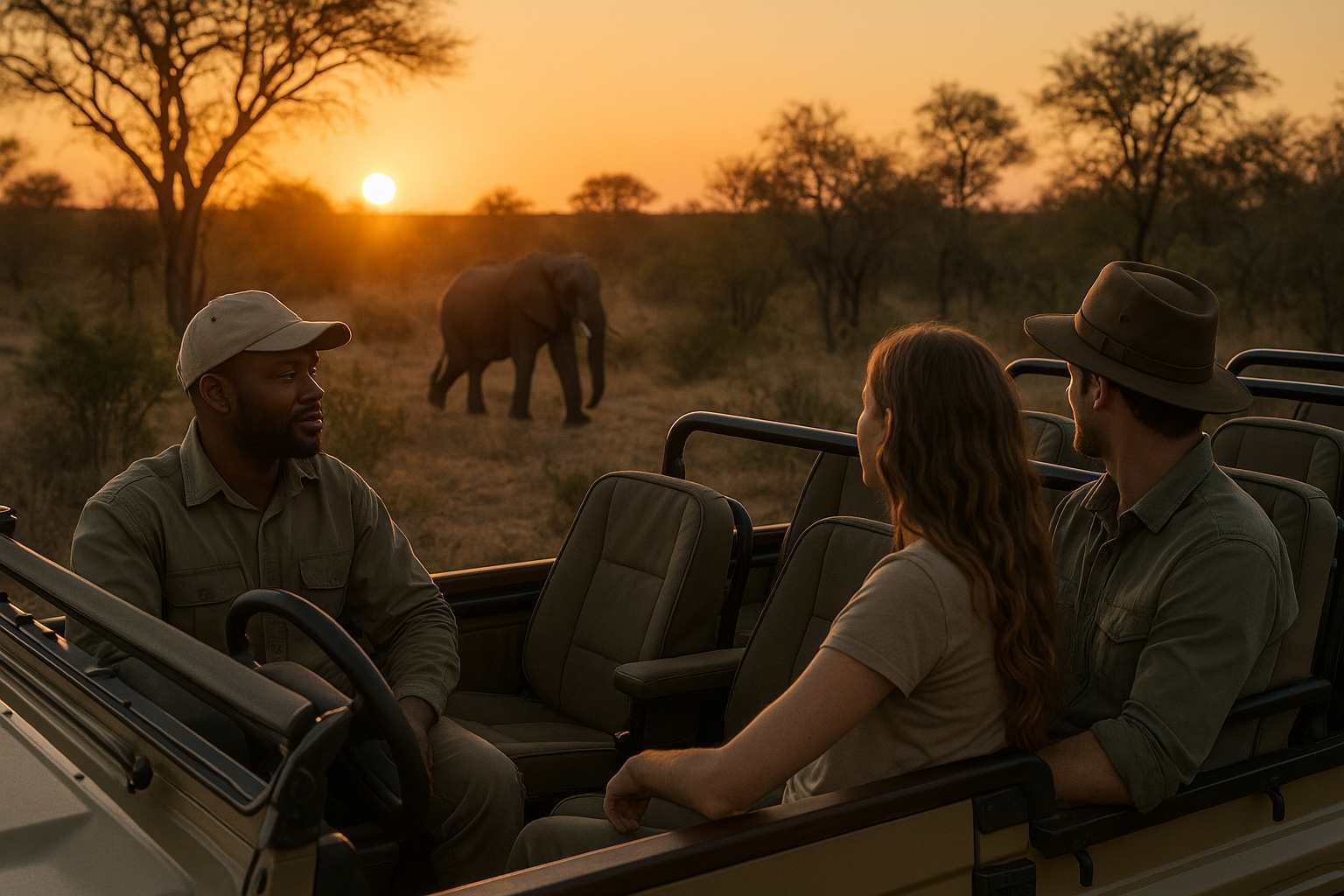
Africa’s wilderness is one of the most captivating and unpredictable environments in the world. It demands respect from anyone entering it, whether they come as observational wildlife enthusiasts armed with cameras or as game hunters participating in legal, regulated excursions. The landscape appears serene and majestic, but danger can surface in a moment. Encounters that begin as peaceful viewing opportunities can turn into medical emergencies without warning, something travelers learn quickly in the bush.
One couple, Daniel and Laura Core, discovered how swiftly a seemingly calm situation can deteriorate during what should have been a routine return to their hotel after visiting a Zimbabwe national park. When a group of giraffes wandered along the roadside, their guide encouraged them to step closer for photos. Daniel, a veterinarian familiar with animal behavior, saw no signs of aggression. Yet in seconds, the bull giraffe swung its massive neck and struck Daniel squarely in the chest, launching him through the air and into a pile of rocks. What began as a tranquil, even charming wildlife moment instantly became a crisis. Incidents like this underline a crucial truth: even gentle-appearing animals can be dangerous, and the African bush does not often give warnings twice.
The Risks of Daytime Excursions
Daylight creates a false sense of safety. People believe that because they can see, they can predict. But Africa’s wildlife behaves on instinct, not visibility.
Many daylight-active species pose significant danger. Elephants may appear peaceful while grazing, but a matriarch defending her calf can charge with astonishing speed. Cape buffalo, among the most unpredictable animals in Africa, can emerge from the brush without warning, a fact Angie Heister learned during a trip to Zimbabwe with her husband.
As they walked near thick vegetation, a Cape buffalo burst through the bushes and gored her with extraordinary force. The attack exposed her lungs and bowels—an injury so catastrophic that trauma care needed to begin immediately to save her life. Encounters like hers remind travelers that daylight does not soften Africa’s wild instincts. Even animals typically considered docile carry hidden risks; size and strength alone make certain species dangerous at close range.
Environmental Hazards During Daylight
The environment adds its own level of hazard. High temperatures in Namibia, Botswana, or Tanzania can quickly overwhelm even experienced hikers. Dehydration, heat exhaustion, or sunstroke frequently strike those who become absorbed in tracking wildlife or walking long distances.
The terrain is equally challenging: tall grass hides holes large enough to break bones, thorn bushes tear open skin, and uneven ground causes falls that can compromise mobility far from help. Daylight improves visibility, but it does not eliminate risk—not by a long shot.
Safari activities during peak sun hours expose travelers to extreme UV radiation, leading to severe sunburn and potential heat-related illnesses. Many wildlife viewing areas lack shade, forcing visitors to remain exposed for extended periods while observing animals or waiting for photographic opportunities.
Why Nighttime Excursions Are Even More Dangerous
As the sun drops below the horizon, the African bush transforms entirely. What seemed familiar just hours earlier becomes a realm of shadows, heightened sounds, and limited visibility. Predators become more active, and even seasoned guides adjust their behavior to navigate the darkness.
A traveler in Botswana recently demonstrated how quickly a nighttime incident can escalate. While at a remote bush camp, a US traveler was bitten on the calf by a leopard. Leopards are notoriously stealthy during the day, but at night they become almost impossible to detect.
The traveler suffered deep, penetrating wounds made more complex by a preexisting blood-clotting disorder. Although he reached a nearby medical clinic capable of basic wound care, it quickly became evident that he needed more advanced treatment than the bush could provide. This incident shows how nighttime encounters are amplified by reduced visibility and how medical complications can turn even treatable injuries into life-threatening emergencies.
Night-Specific Dangers
Darkness makes every hazard worse. Humans lose depth perception. Footing becomes unreliable. The line of sight shrinks dramatically. People may step onto unstable ground, into hidden holes, or near wildlife they cannot see until it’s too late.
Navigation becomes difficult, too. GPS devices help, but they cannot replace knowledge of the landscape. Travelers can easily lose their bearings, particularly on nights without moonlight.
Any injury sustained at night—snakebite, fall, laceration, or wildlife attack—delays evacuation and complicates treatment. Vehicles must move cautiously to avoid wildlife, and guides often need to balance speed with safety. This added layer of difficulty can turn a manageable injury into a dangerous medical scenario.
Nocturnal predators including lions, hyenas, and leopards exhibit heightened hunting behavior after dark. Their superior night vision and acute hearing give them overwhelming advantages over humans. Even experienced safari guides maintain heightened alertness during night drives or walking safaris after sunset.
Common Emergencies in the African Wilderness
Observers and hunters face many of the same dangers: wildlife encounters, snakebites, fractures, dehydration, and severe allergic reactions. A photographer distracted by the perfect shot or a hunter tracking a distant animal can both lose situational awareness, placing them at equal risk.
Vehicle breakdowns, sudden weather shifts, and terrain-related accidents are common denominators for all who enter the bush. The stories of Daniel Core’s giraffe attack, Angie Heister’s buffalo goring, and the member bitten by a leopard in Botswana demonstrate the unpredictability of these emergencies.
Additional Safari Emergency Scenarios
Insect bites and stings from scorpions, spiders, and various flying insects can trigger severe allergic reactions requiring immediate intervention. Malaria-carrying mosquitoes present ongoing health risks throughout many African safari regions.
Flash floods during rainy season can trap vehicles and travelers in dry riverbeds that transform into raging torrents within minutes. Dust storms reduce visibility to near-zero and create respiratory challenges for those with existing conditions.
None of these individuals were acting recklessly. They were simply in the wrong place at a moment when wildlife made a defensive—or predatory—decision. Preparation becomes the most reliable defense against the unknown.
What an Emergency Medical First-Aid Kit Must Provide
A proper first-aid kit for Africa must be designed to handle severe trauma, stabilize injuries long enough to facilitate evacuation, and mitigate environmental risks, not just treat minor scrapes.
Trauma and Bleeding Control
It should include tools to control major bleeding, such as a tourniquet and a trauma dressing capable of exerting significant pressure on a wound. Deep injuries, such as those incurred during buffalo or leopard attacks, require hemostatic gauze to slow bleeding and compressed sterile gauze for packing wounds effectively.
Fractures or severe sprains benefit from a moldable splint that can immobilize limbs, while triangular bandages can help secure injuries for transport. Trauma shears allow rescuers to cut clothing away from wounds quickly so treatment can begin without delay.
Snakebite Treatment Essentials
Snakebite supplies are another critical component, particularly because some of Africa’s most venomous species are encountered unexpectedly in both day and night excursions. Pressure-immobilization bandages help slow venom movement through the lymphatic system. A waterproof marker is essential for noting the time of the bite, a key detail that medical professionals use to guide treatment.
Africa is home to numerous venomous snakes including black mambas, puff adders, Egyptian cobras, and Gaboon vipers. Each species requires specific treatment protocols, making proper identification and timing documentation crucial for survival.
Basic Wound Care and Medications
A wilderness traveler will inevitably encounter smaller injuries, so the kit needs materials to clean cuts, close gashes, manage blisters, and remove thorns or ticks. Medications such as pain relievers, antihistamines, anti-diarrheal tablets, electrolyte solutions, antacids, and a broad-spectrum antibiotic provide stability for a wide range of medical issues that often arise far from modern facilities.
Antiseptic wipes, adhesive bandages in various sizes, medical tape, and butterfly closures handle routine wound management. Tweezers and tick removal tools address common bush hazards.
Environmental Protection
Environmental protection tools also belong in a proper kit. A Mylar emergency blanket can prevent hypothermia on cold desert nights or during nighttime breakdowns. Sunscreen, protective lip balm, and lightweight clothing help prevent heat-related illness during scorching daylight hours.
Water purification tablets or a filtration device allow travelers to remain hydrated even when clean water sources disappear unexpectedly. Oral rehydration salts combat dehydration from heat exposure or gastrointestinal illness.
Navigation and Signaling Equipment
Navigation and signaling gear—such as a whistle, signal mirror, reliable headlamp with spare batteries, fire-starting tools, a multi-tool, GPS unit, and compass—round out the essentials. These become crucial when someone is injured in low visibility or when rescue teams need assistance locating a traveler in rugged terrain.
Satellite phones or emergency beacons provide communication capabilities in areas beyond cell phone coverage. Many remote safari locations have zero cellular connectivity, making these devices potentially life-saving.
Essential Pre-Safari Medical Preparations
Beyond carrying proper emergency equipment, travelers should complete several medical preparations before entering African wilderness areas:
Vaccinations appropriate for the destination should be current, including yellow fever, typhoid, hepatitis A and B, and rabies for those planning extended wildlife exposure. Consult a travel medicine specialist at least 6-8 weeks before departure.
Malaria prophylaxis is essential for most safari destinations. Different regions require different antimalarial medications, and some have developed resistance to certain drugs.
Travel insurance with comprehensive medical evacuation coverage is non-negotiable for African wilderness travel. Standard policies often exclude adventure activities and remote location evacuations, which can cost $50,000 or more.
Medical history documentation including allergies, current medications, and existing conditions should be carried in both physical and digital formats. Share this information with guides and tour operators.
Working with Professional Safari Guides
Experienced safari guides represent your primary safety resource in the African wilderness. Their expertise in animal behavior, terrain navigation, and emergency response often means the difference between safe encounters and dangerous incidents.
Listen to guide instructions without hesitation. When a guide tells you to remain still, move slowly, or return to the vehicle immediately, comply without question. Their experience reading wildlife behavior far exceeds casual observations.
Maintain recommended distances from all wildlife. Even seemingly docile animals have defensive zones that trigger aggressive responses when violated. Professional guides understand these boundaries.
Never separate from your group during walking safaris or bush excursions. Lone individuals become vulnerable to predator attention and may encounter hazards without immediate support.
Why Preparedness Matters More in Africa
Africa’s wilderness is vast and remote. Cell service is intermittent or nonexistent. Medical help may be hours or days away depending on location, weather, and wildlife activity. Travelers must bridge the gap between incident and evacuation by carrying the right equipment and maintaining situational awareness.
The incidents involving the Core family, Angie Heister, and the leopard-bitten traveler all illustrate how quickly adventure can shift into emergency. They also show that survival often comes down to preparation and the ability to access professional help when it matters most.
Remote bush camps may be 200+ kilometers from the nearest hospital with surgical capabilities. Air evacuation requires suitable weather conditions and available aircraft, which cannot be guaranteed. The period between injury and definitive medical care can extend to 12-24 hours even in best-case scenarios.
This reality makes self-sufficiency and proper emergency preparedness absolutely essential for anyone venturing into African wilderness areas.
Final Thoughts: Respect the Wild
The African wilderness offers experiences unavailable anywhere else on Earth—intimate wildlife encounters, breathtaking landscapes, and profound connections with nature. These rewards come with inherent risks that demand respect, preparation, and constant vigilance.
Wildlife attacks, environmental hazards, and medical emergencies are not theoretical possibilities but documented realities that affect travelers every year. The difference between those who survive critical incidents and those who don’t often comes down to preparation, proper equipment, and immediate access to professional medical care.
Whether you’re photographing elephants at sunset, tracking lions through tall grass, or simply traveling between safari camps, understanding the dangers and preparing accordingly gives you the best chance of returning home with remarkable memories rather than traumatic injuries.
The wilderness doesn’t make exceptions. It doesn’t care about your experience level, physical fitness, or good intentions. It simply exists in its raw, unfiltered state, following rules established over millennia. Your responsibility as a visitor is to understand those rules, respect them completely, and prepare for the moments when nature reminds you who’s really in charge.
For more essential travel safety resources, wilderness emergency guides, and adventure preparation tips, visit The Inspiring Insight where we provide comprehensive coverage of international travel safety, wildlife encounter protocols, and emergency preparedness strategies. Stay informed with our expert analysis on safari safety, medical kit essentials, and risk management approaches that help you explore the world’s most remarkable destinations with confidence and security.